%2Ffit-in%2F250x250%2Fguide_websites%2F183246%2Fimages%2F1786770216778keystomontauk.png&w=1920&q=100)
/users/2e210485-16d8-4a44-a2a1-ec7410a92e92/ratecard/marathon-florida-keys-shore-fishing-lessons4-mstry3iq.jpg)
%2F300x300%2Fusers%2F2e210485-16d8-4a44-a2a1-ec7410a92e92%2Fratecard%2Fmarathon-florida-keys-shore-fishing-lessons4-mstry3iq.jpg&w=256&q=75)
%2F300x300%2Fusers%2F2e210485-16d8-4a44-a2a1-ec7410a92e92%2Fimages%2Fmontauk-fishing-report-mstpdvtw.jpg&w=256&q=75)
%2F300x300%2Fusers%2F2e210485-16d8-4a44-a2a1-ec7410a92e92%2Fimages%2Fmarathon-fishing-report-mstpkiem.jpg&w=256&q=75)
%2F300x300%2Fusers%2F2e210485-16d8-4a44-a2a1-ec7410a92e92%2Fimages%2Fmontauk-scribbled-leatherjacket-filefish-2711.jpg&w=256&q=75)
%2F300x300%2Fusers%2F2e210485-16d8-4a44-a2a1-ec7410a92e92%2Fimages%2Fatlantic-cod-montauk-fishing-catch-2794.jpg&w=256&q=75)
%2F300x300%2Fusers%2F2e210485-16d8-4a44-a2a1-ec7410a92e92%2Fimages%2Fyellowfin-catch-montauk-ny-2723.jpg&w=256&q=75)
%2F300x300%2Fusers%2F2e210485-16d8-4a44-a2a1-ec7410a92e92%2Fimages%2Fmontauk-fishing-boat-catch-2663.jpg&w=256&q=75)
%2F300x300%2Fusers%2F2e210485-16d8-4a44-a2a1-ec7410a92e92%2Fimages%2Fmontauk-mahi-yellowfin-catch-2675.jpg&w=256&q=75)
%2F300x300%2Fusers%2F2e210485-16d8-4a44-a2a1-ec7410a92e92%2Fimages%2Fmontauk-fishing-boat-catch-2704.jpg&w=256&q=75)
%2F300x300%2Fusers%2F2e210485-16d8-4a44-a2a1-ec7410a92e92%2Fimages%2Fmontauk-mahi-mahi-catch-2730.jpg&w=256&q=75)
%2F300x300%2Fusers%2F2e210485-16d8-4a44-a2a1-ec7410a92e92%2Fimages%2Fmontauk-fishing-charter-catch-2774.jpg&w=256&q=75)
Master the Middle Keys Shallow Water Rips & Patch Reefs
 Montauk, NY
What you will be catching:
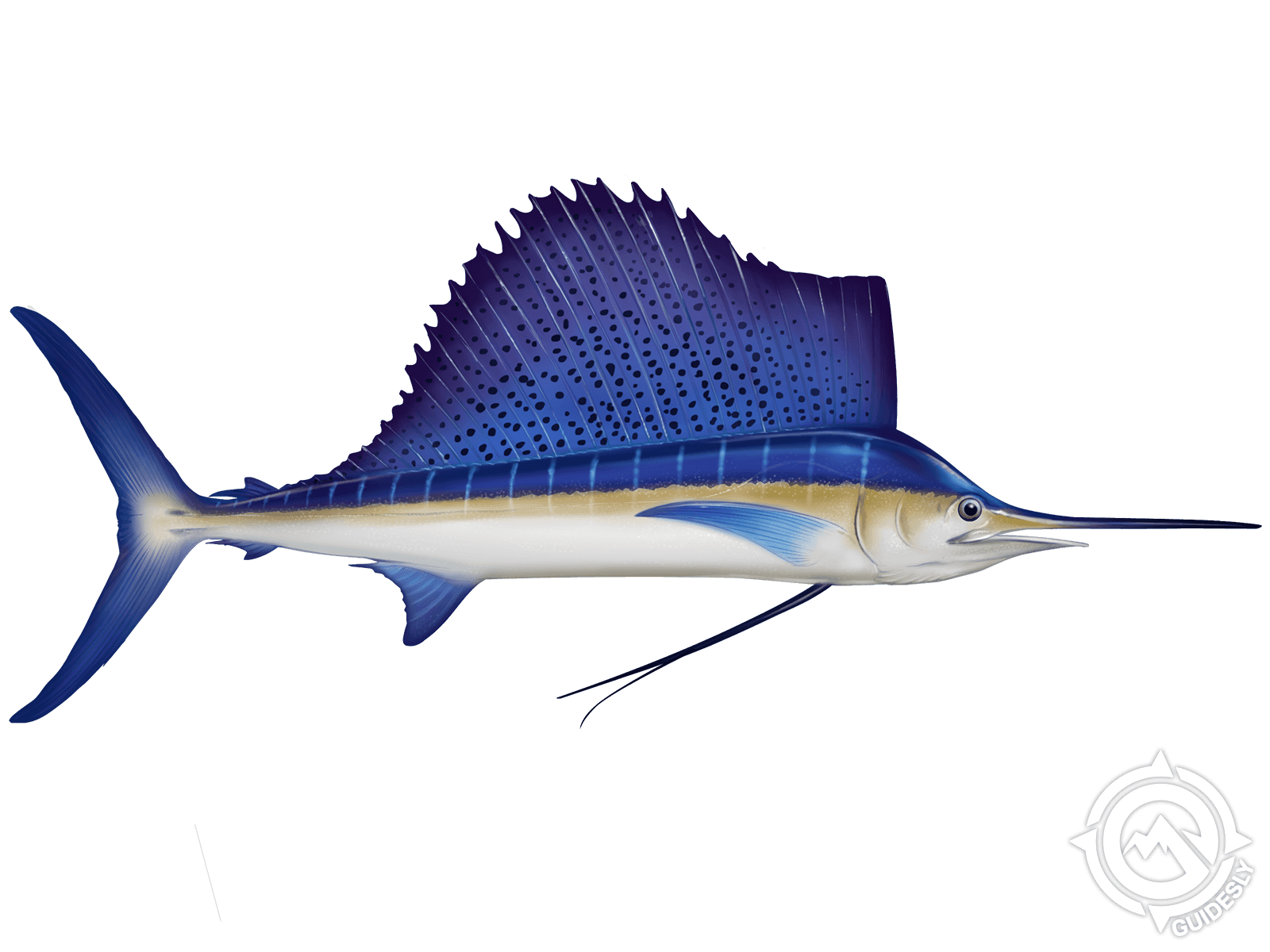
 Atlantic Sailfish
 Grey Snapper
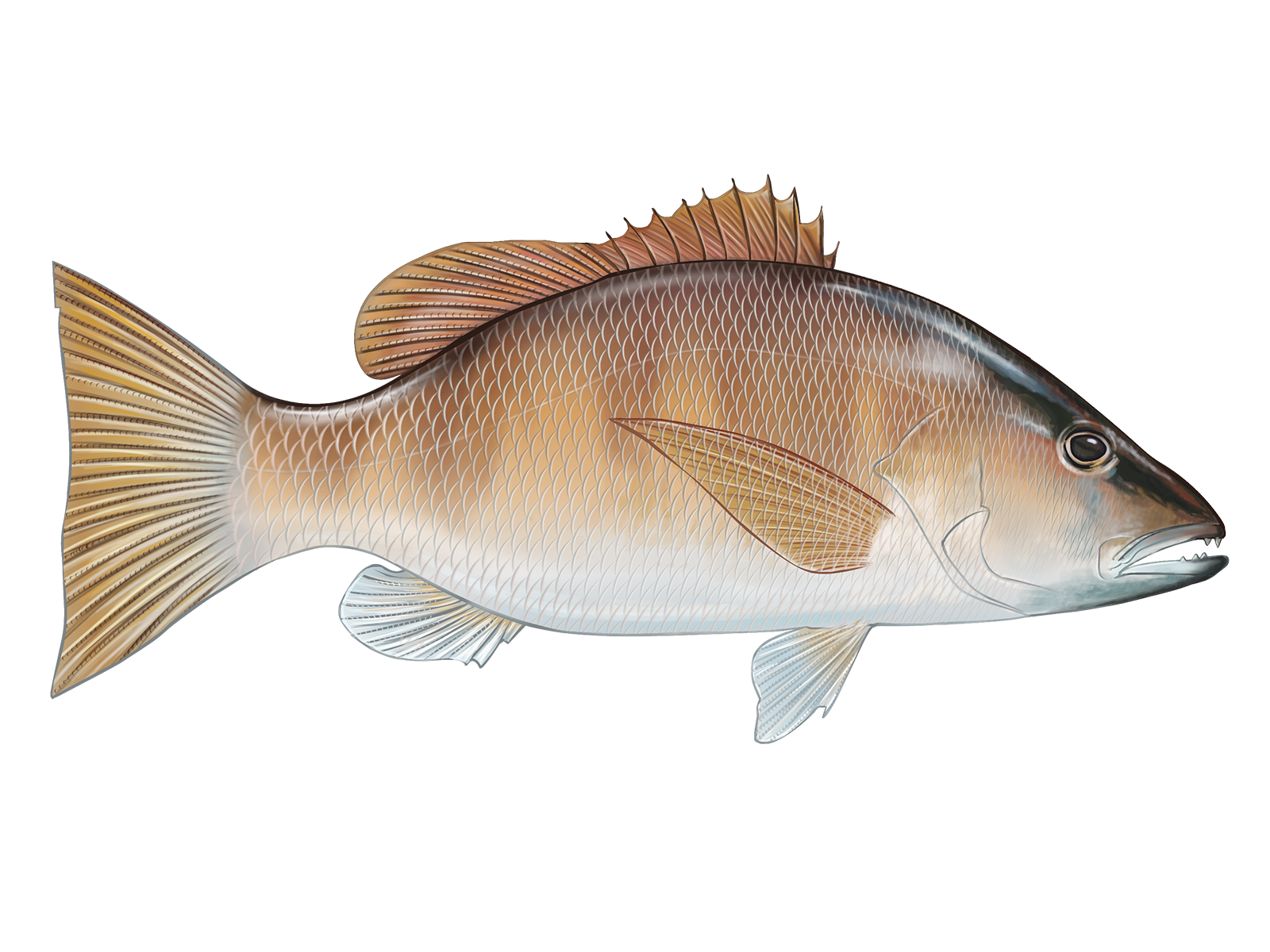
 Mutton Snapper
 Sea Trout
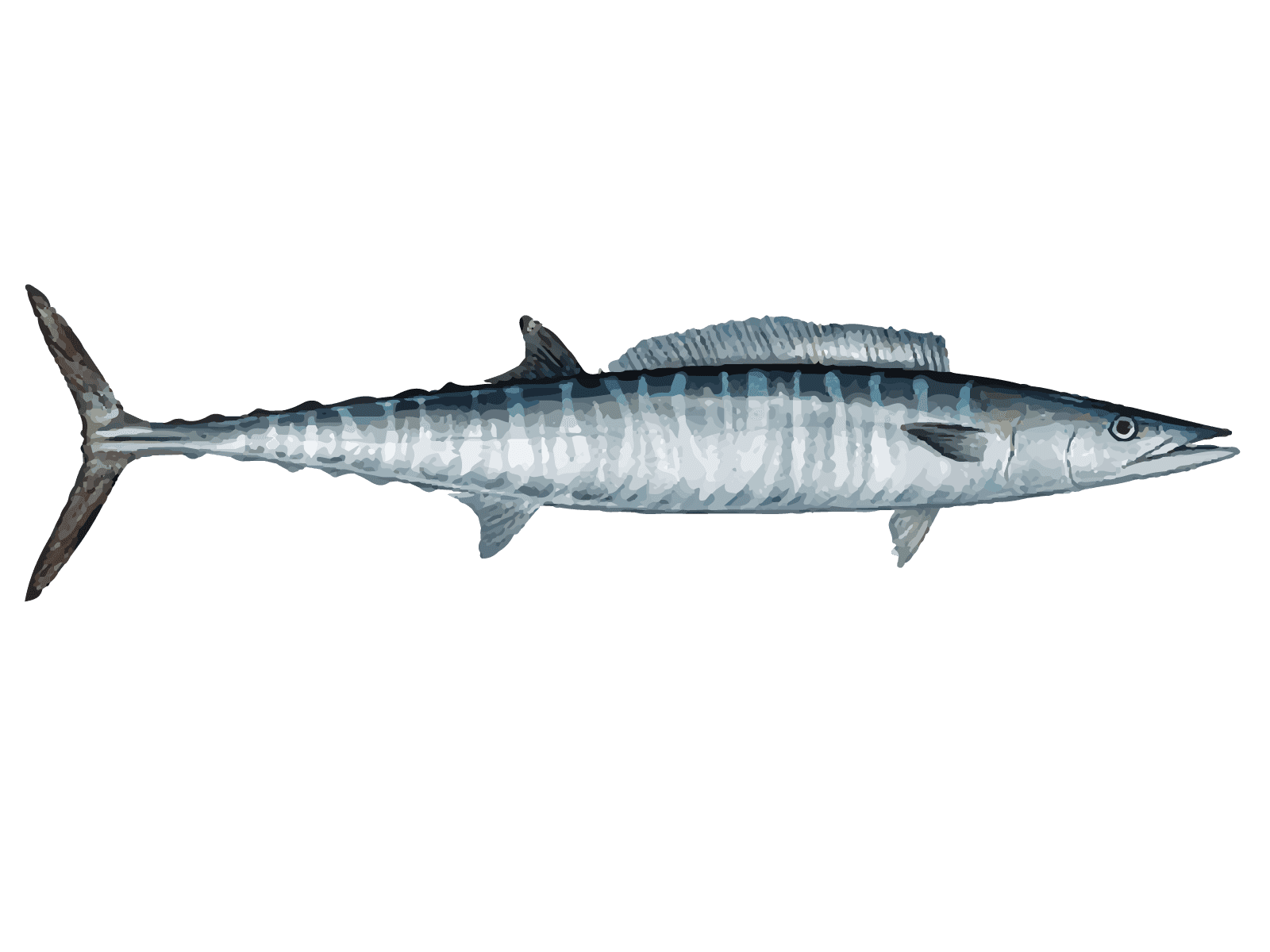
 Wahoo Fish
- Captain Chris guides expeditions through Marathon and Islamorada shallows
- Target yellowtail, mangrove snapper, muttons, and sea trout species
- Master live-baiting, bottom rigs, and topwater fishing techniques
Trip Pricing and Availabilities:
Master the Middle Keys Shallow Water Rips & Patch Reefs
Between Marathon and Islamorada lies some of the most productive shallow water fishing in the entire Keys chain, but navigating these waters takes years to master. Captain Chris brings decades of local knowledge to your deck, putting you right on top of the fish-holding structure that weekend warriors spend all day looking for. This isn't your typical charter where you're paying someone else to fish for you – you're getting behind-the-scenes access to how a true Keys waterman reads water, works tides, and positions on structure that consistently holds keeper-sized yellowtail, mangrove snapper, muttons, and aggressive sea trout. Whether your crew wants to perfect live bait presentations or dial in bottom rigs for patch reef fishing, you'll walk away with techniques that work year after year in these waters.
What to Expect on the Water
This trip is all about precision fishing in skinny water where every cast counts. Captain Chris takes the helm of your boat, which means your group gets to focus entirely on fishing while he handles the tricky navigation through channels and around patch reefs that can make or break your day. The middle Keys stretch between Marathon and Islamorada offers an incredible mix of structure – from shallow grass flats that hold cruising sea trout to rocky patch reefs loaded with snapper and the occasional cobia or tarpon looking for an easy meal. You'll move between spots based on tide, wind, and what the fish are telling you, learning to read subtle changes in water color and current that separate productive water from empty ocean. This is hands-on fishing education with immediate payoff, perfect for groups that want to improve their skills while filling the cooler.
Techniques & Tackle Breakdown
The beauty of middle Keys fishing lies in the variety of techniques that produce on any given day. Captain Chris will have your group working everything from free-lined live pilchards over patch reefs to perfectly weighted bottom rigs that get down to the snapper without hanging up on coral heads. Live baiting technique is huge here – learning how to present a lively sardine or pinfish so it looks natural while still keeping it in the strike zone where yellowtail and muttons are feeding. For the topwater action, you'll work plugs and poppers around structure edges where cobia cruise and tarpon roll, timing your presentations to ambush predators as they move through feeding zones. Bottom fishing gets technical too, with specific weight choices and leader setups that let you feel the difference between a fish pickup and getting hung up on reef structure. Every technique has its place based on conditions, and Captain Chris reads the water to put you on the right pattern at the right time.
Species You'll Want to Hook
Sea Trout in the middle Keys are legitimate fish that fight hard in shallow water, averaging 15-18 inches with plenty of keeper-sized fish pushing over 20 inches. They move onto the grass flats with moving water, especially on the edges where deeper channels meet shallow turtle grass beds. Spring through fall offers the most consistent action, but winter can produce some of the biggest trout of the year when cold fronts push bait into protected areas. What makes sea trout special here is their willingness to hit both live bait and artificials, giving you multiple ways to target them depending on conditions.
Wahoo are the speed demons that show up when you least expect them, usually when you're targeting something else entirely. These fish hit live baits meant for snapper or crush topwater plugs worked around patch reefs, turning a routine bottom fishing trip into an adrenaline rush. Middle Keys wahoo typically run 15-30 pounds, perfect eating size, and they're most active during the cooler months when baitfish schools are thick on the reefs. The fight is pure acceleration and line-screaming runs that test your drag settings and reflexes.
Mutton Snapper are the prize fish of the patch reefs, combining impressive size with incredible table fare. These fish are smart and structure-oriented, holding tight to coral heads and rocky bottom where they can ambush passing baitfish. Prime time runs from late spring through early fall, with the biggest fish often caught on live bait presentations that look completely natural. Muttons in the 5-8 pound range are common, with occasional fish pushing double digits. They're notorious for testing your knot-tying skills and drag settings with powerful initial runs toward structure.
Grey Snapper, better known locally as mangrove snapper, are the bread and butter of Keys reef fishing. These fish are abundant, aggressive feeders that respond well to both live and dead baits presented near any kind of structure. They school up heavily on patch reefs, especially during summer months, making it possible to catch multiple fish from the same spot if you work it right. Size varies from keeper-sized fish around 12 inches up to genuine slabs pushing 4-5 pounds. What anglers love about mangroves is their reliability – when other species are finicky, mangrove snapper usually cooperate.
Atlantic Sailfish bring the big game excitement to what might otherwise be a typical reef fishing trip. These fish patrol the edges of patch reefs and deeper channels, especially when schools of ballyhoo and sardines are thick. Sailfish in the middle Keys typically run 6-7 feet and 40-60 pounds, providing spectacular jumps and long runs on appropriate tackle. While they're more common in winter and spring, sailfish can show up any time bait concentrations draw them into shallower water. The key is having live bait ready and knowing how to present it when these opportunities arise.
Time to Book Your Spot
This top-rated fishing experience gives your group direct access to decades of local knowledge that usually takes years to accumulate on your own. Captain Chris doesn't just put you on fish – he teaches you how to find them, hook them, and land them using techniques that work consistently in these waters. With space for up to 10 anglers, this trip works perfectly for family groups, buddy trips, or corporate outings where everyone
Learn more about the species
Atlantic Sailfish
Atlantic sailfish are the ultimate offshore game fish, averaging 7 feet and 50 pounds with that signature sail-like dorsal fin. They cruise warm surface waters 30-65 feet deep, following bait schools and temperature breaks. Winter months bring the best sailfish action to the Keys, especially December through March. What makes them legendary is their aerial show - these fish jump, dive, and strip line like nothing else, plus they change colors when excited. While they're typically caught and released, it's the fight that hooks anglers. When you get one up, keep the fish moving toward the boat steadily. They'll try to throw the hook on every jump, so maintain pressure but don't overdo it during their acrobatics.
Grey Snapper
Grey snapper, also called mangrove snapper, are year-round residents around our docks, bridges, and patch reefs. Most run 10-14 inches inshore, but bigger ones lurk around deeper structure. They're opportunistic feeders that love cover - mangrove roots, rocks, wrecks, anywhere they can ambush prey. Best fishing happens at dawn, dusk, and night when they're most active. These copper-colored fighters are popular because they're scrappy for their size and make outstanding table fare with sweet, white meat. My go-to technique: live shrimp hooked through the tail on a light circle hook. Let it sink naturally near structure, keep it still, and when you feel that tap, don't jerk - just start reeling steadily.
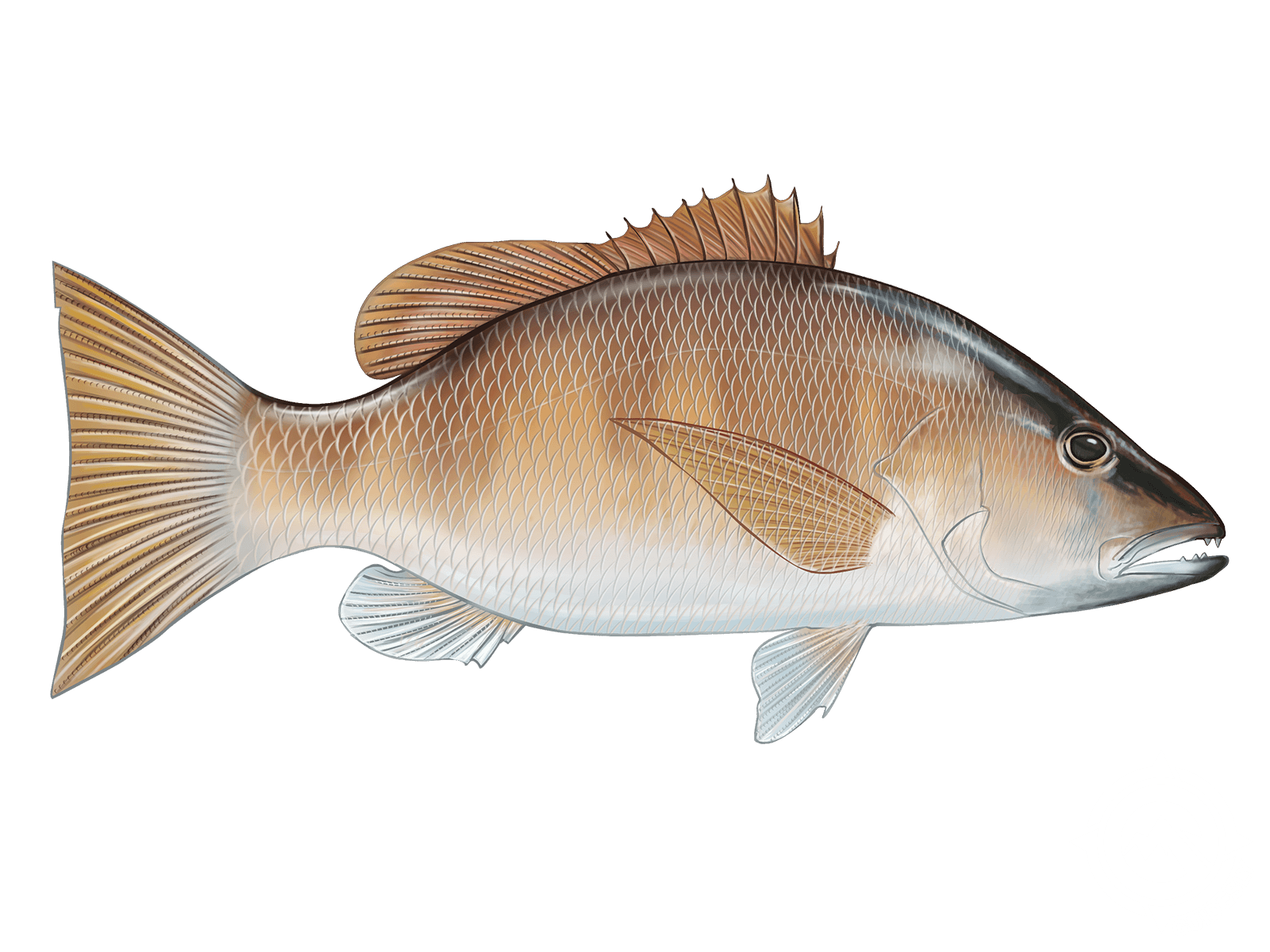
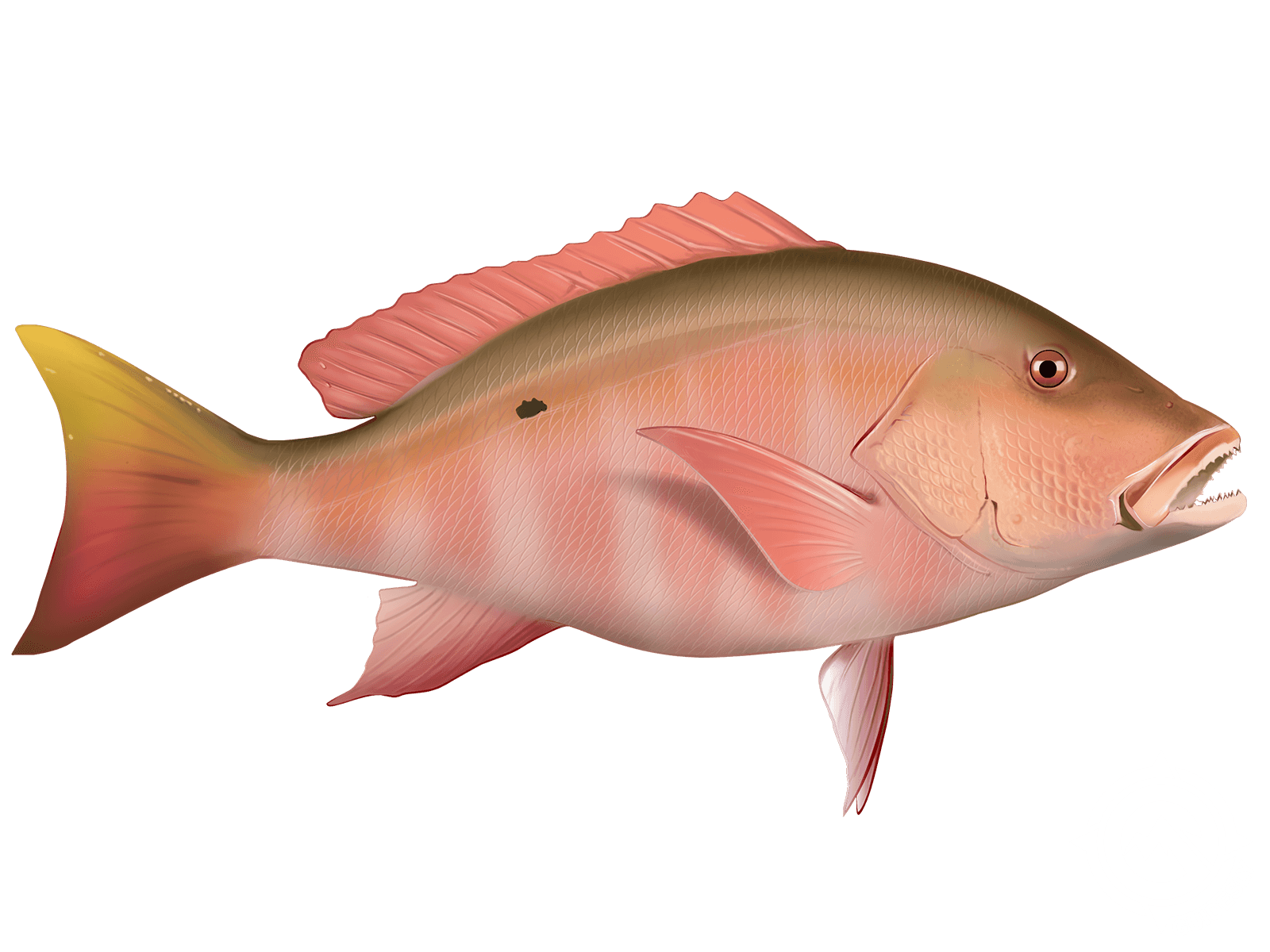
Mutton Snapper
Mutton snapper are the prize fish of our patch reef trips, growing up to 20 inches with that distinctive olive-pink coloration and blue streaks around their eyes. They prefer sandy areas near coral and rock structure, typically holding in 15-40 feet around here. Spring and early summer offer the best action when they move shallow to spawn. Anglers love muttons for their strong runs toward structure and excellent eating - some of the best table fare in the Keys. The trick with these fish is fresh bait and light tackle. Use a knocker rig with minimal weight, let your bait drift naturally in the current, and when you hook one, get them up quick before they reach the rocks and cut you off.
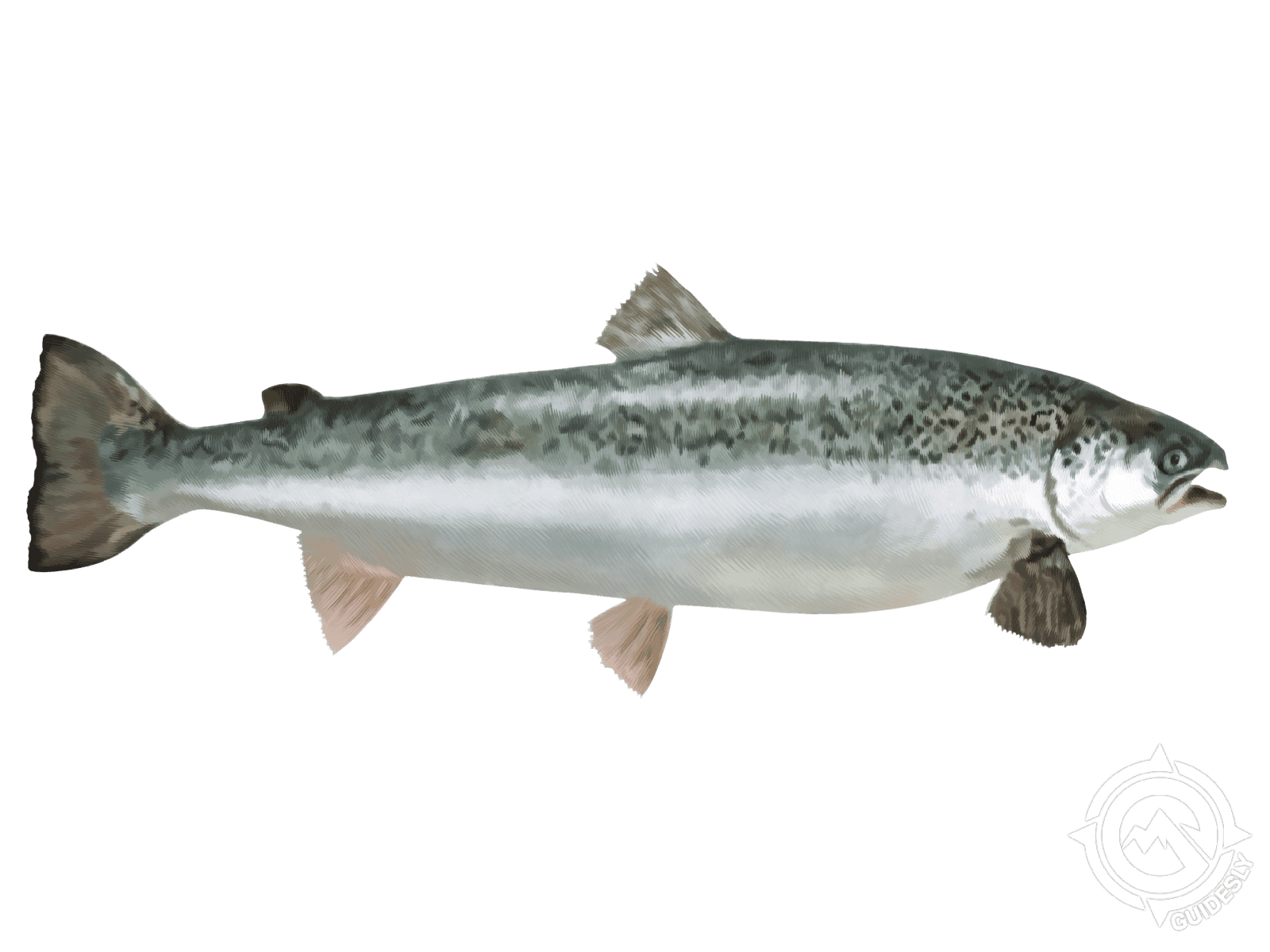
Sea Trout
Spotted sea trout around Marathon and Islamorada typically run 14-24 inches and make their home in shallow grass flats, especially at night. These silver beauties with dark spots love structure - patch reefs, channel edges, and drop-offs where bait collects. Peak action happens during cooler months when they school up in deeper holes, but you'll find them year-round if you know where to look. What makes trout special is their willingness to hit topwater lures and their excellent table fare - white, flaky meat that's hard to beat. Here's the key: when working grass flats, let your bait drift naturally with minimal weight. Trout are easily spooked, so quiet approaches and light presentations win every time.
Wahoo Fish
Wahoo are the speedsters of the offshore world, hitting 60 mph and averaging 3-5 feet long. These torpedo-shaped fish with blue-green backs and silver stripes cruise open water but get drawn to structure and floating debris. While they're more common in deeper offshore waters, we occasionally encounter them around the outer patch reefs. Peak season runs July through November when they're most active in our area. What gets anglers fired up is their blistering runs and acrobatic jumps - plus they're absolutely delicious with firm, white meat. Pro tip: if you hook one, keep steady pressure but don't horse them. Their razor teeth cut through mono easily, so wire leaders are a must when targeting these ocean rockets.