%2Ffit-in%2F250x250%2Fguide_websites%2F183246%2Fimages%2F1786770216778keystomontauk.png&w=1920&q=100)
/users/2e210485-16d8-4a44-a2a1-ec7410a92e92/ratecard/761342282_18111220141996995_443805247584725182_n-msuiv7v7.jpg)
%2F300x300%2Fusers%2F2e210485-16d8-4a44-a2a1-ec7410a92e92%2Fratecard%2F761342282_18111220141996995_443805247584725182_n-msuiv7v7.jpg&w=256&q=75)
%2F300x300%2Fusers%2F2e210485-16d8-4a44-a2a1-ec7410a92e92%2Fimages%2Fmontauk-fishing-report-mstpdvtw.jpg&w=256&q=75)
%2F300x300%2Fusers%2F2e210485-16d8-4a44-a2a1-ec7410a92e92%2Fimages%2Fmarathon-fishing-report-mstpkiem.jpg&w=256&q=75)
%2F300x300%2Fusers%2F2e210485-16d8-4a44-a2a1-ec7410a92e92%2Fimages%2Fmontauk-scribbled-leatherjacket-filefish-2711.jpg&w=256&q=75)
%2F300x300%2Fusers%2F2e210485-16d8-4a44-a2a1-ec7410a92e92%2Fimages%2Fatlantic-cod-montauk-fishing-catch-2794.jpg&w=256&q=75)
%2F300x300%2Fusers%2F2e210485-16d8-4a44-a2a1-ec7410a92e92%2Fimages%2Fyellowfin-catch-montauk-ny-2723.jpg&w=256&q=75)
%2F300x300%2Fusers%2F2e210485-16d8-4a44-a2a1-ec7410a92e92%2Fimages%2Fmontauk-fishing-boat-catch-2663.jpg&w=256&q=75)
%2F300x300%2Fusers%2F2e210485-16d8-4a44-a2a1-ec7410a92e92%2Fimages%2Fmontauk-mahi-yellowfin-catch-2675.jpg&w=256&q=75)
%2F300x300%2Fusers%2F2e210485-16d8-4a44-a2a1-ec7410a92e92%2Fimages%2Fmontauk-fishing-boat-catch-2704.jpg&w=256&q=75)
%2F300x300%2Fusers%2F2e210485-16d8-4a44-a2a1-ec7410a92e92%2Fimages%2Fmontauk-mahi-mahi-catch-2730.jpg&w=256&q=75)
%2F300x300%2Fusers%2F2e210485-16d8-4a44-a2a1-ec7410a92e92%2Fimages%2Fmontauk-fishing-charter-catch-2774.jpg&w=256&q=75)
Conquer the Surfcasting Capital at The Point
 Montauk, NY
What you will be catching:
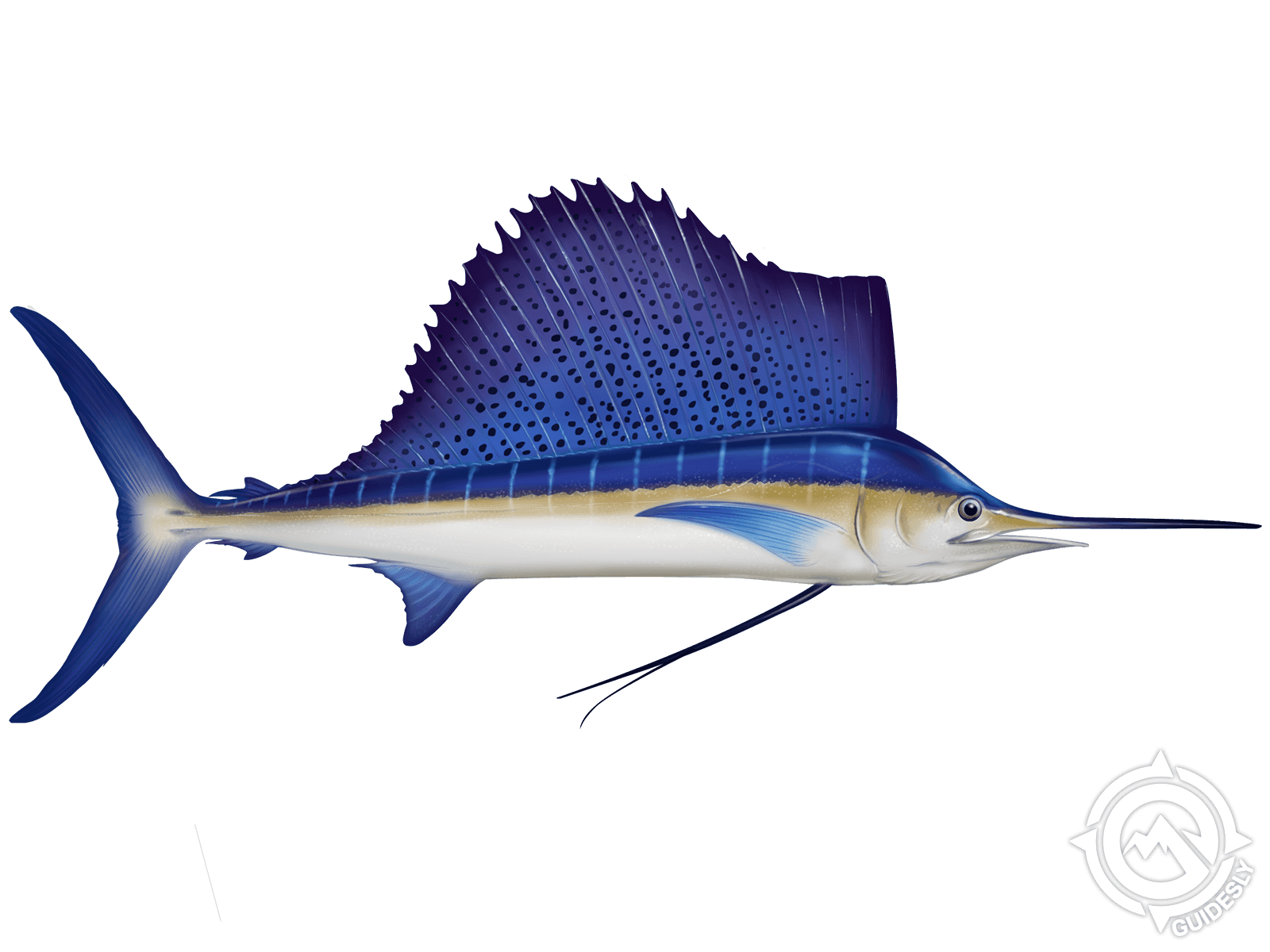
 Atlantic Sailfish
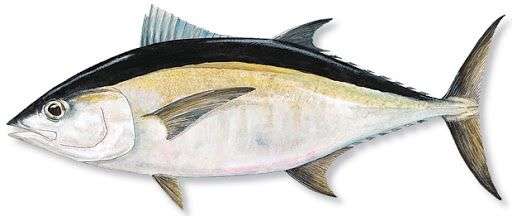
 Bluefin Tuna
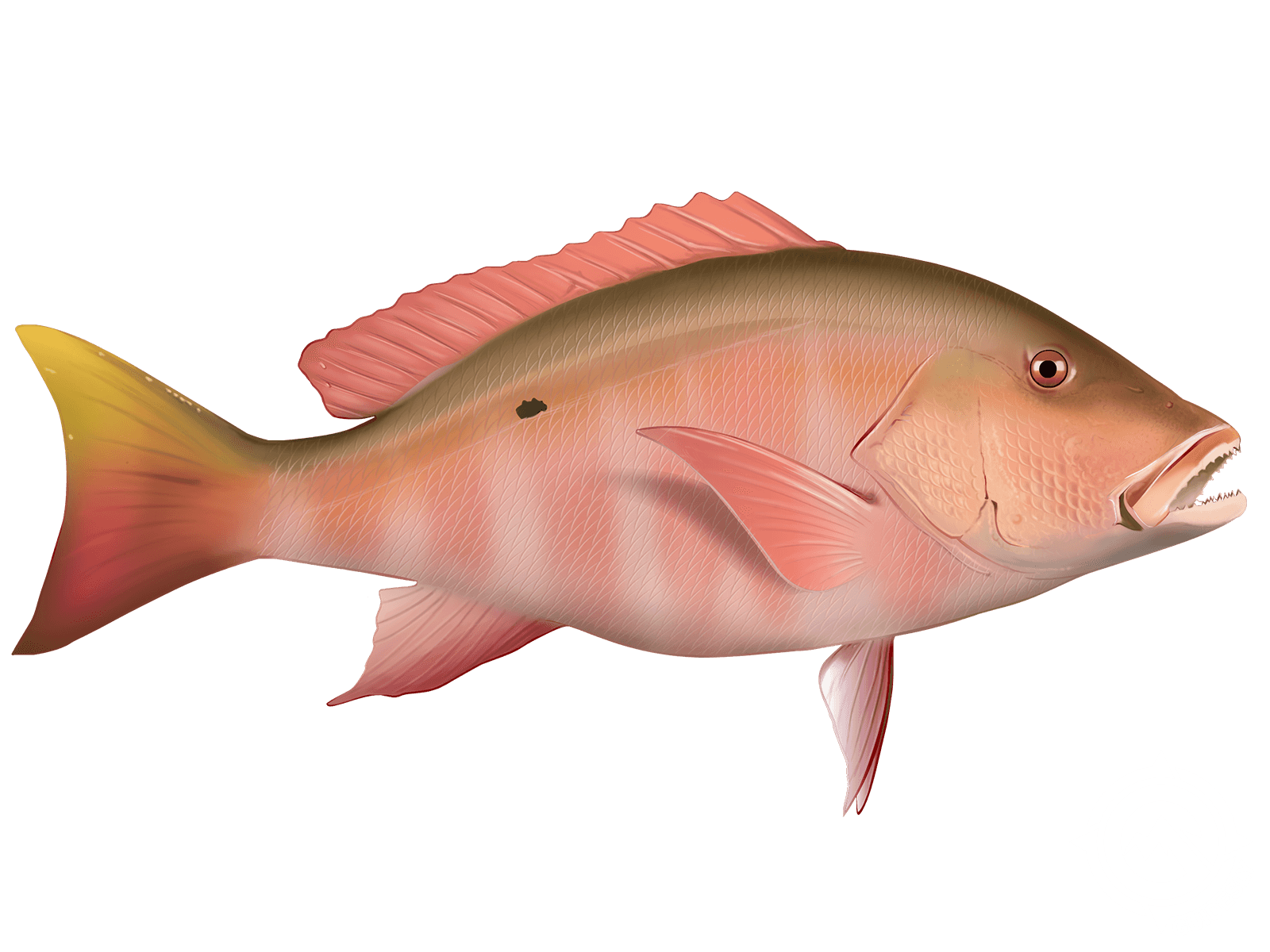
 Mutton Snapper
 Wahoo Fish
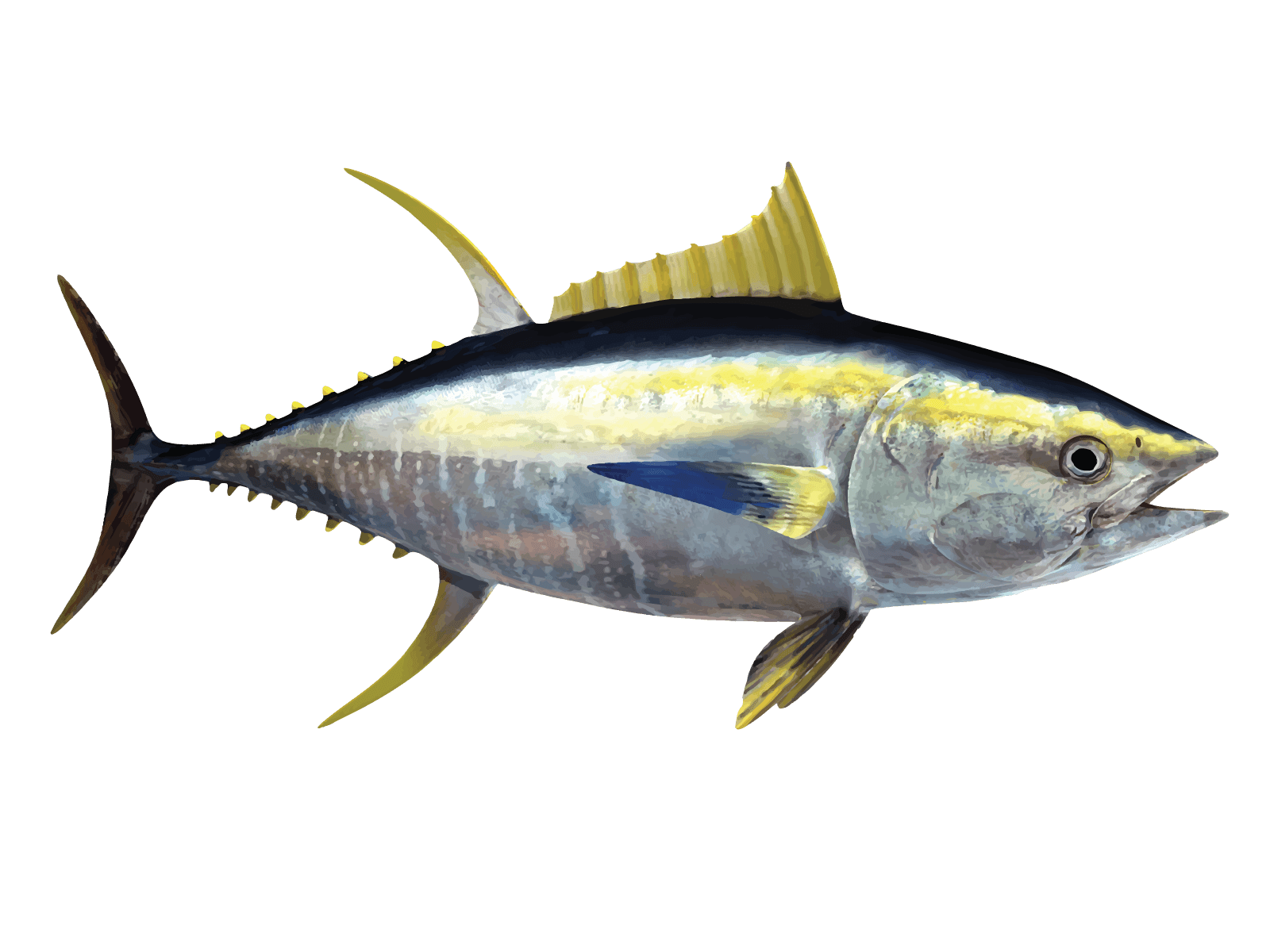
 Yellowfin Tuna
- Master Captain leads professional deep Atlantic pelagic expeditions
- Target bluefin, yellowfin, and bigeye tuna species
- Learn offshore navigation and heavy-tackle shark fishing
Trip Pricing and Availabilities:
Conquer the Surfcasting Capital at The Point
The Point isn't just another fishing spot – it's where serious anglers come to test their skills against some of the Atlantic's most prized game fish. Captain Chris brings decades of offshore experience to this world-class operation, running you out to the deep blue where yellowfin tuna prowl and sharks patrol the thermoclines. This isn't your typical half-day charter. You'll be learning from a USCG Master Captain who knows these waters like the back of his hand, picking up techniques that'll make you a better angler whether you're fishing from your own boat or booking trips around the world.
What to Expect on the Water
Running offshore from The Point means heading into some of the most productive pelagic waters on the East Coast. Captain Chris handles all the navigation and boat positioning, so you can focus entirely on what you came here to do – catch fish. The day starts early with a precise run to the fishing grounds, where you'll set up high-speed trolling spreads designed to pull in wahoo, tuna, and sailfish. The boat's rigged with top-shelf tackle and electronics, including fish finders that can mark schools in 200+ feet of water. You'll switch between trolling and drift fishing depending on conditions, and Captain Chris reads the water like a book – watching for bird activity, temperature breaks, and current edges where big fish hunt. With only two anglers maximum, you get personalized instruction and plenty of rod time. No crowded rails or waiting your turn here.
Techniques & Tackle Setup
This trip is all about learning offshore tactics that actually work. You'll run spreader bar setups that mimic baitfish schools, pulling them at precise speeds to trigger strikes from pelagic predators. Captain Chris will show you how to rig ballyhoo properly, set the drag on heavy conventional reels, and work circle hooks for catch-and-release fishing. The slow-pitch jigging techniques you'll learn are deadly on bottom fish and suspended tuna – it's a method that many weekend anglers never master because they don't get proper instruction. For the shark fishing, you'll learn to drift chum lines effectively, reading how the slick disperses and positioning baits in the strike zone. The navigation lessons alone are worth the trip – you'll understand how to read GPS charts, plan safe offshore routes, and identify productive structure from the electronics. All tackle is tournament-grade stuff, from the rods and reels down to the terminal tackle and lures.
Top Catches This Season
The waters off The Point hold some serious fish, and each species brings its own challenge. Wahoo are speed demons that'll scream line off your reel faster than almost any fish in the ocean. These torpedo-shaped predators cruise the blue water looking for fast-moving baitfish, and they hit trolled lures with incredible violence. Most wahoo here run 20-50 pounds, with their razor-sharp teeth requiring wire leaders and quick reflexes. They're most active during the warmer months when baitfish are thick, and the meat is absolutely premium table fare. Yellowfin tuna are the workhorses of offshore fishing here – powerful, smart, and willing to fight to the bitter end. These fish range from school-sized 20-pounders to bull yellowfins pushing 100+ pounds. They're year-round residents but peak during late summer and fall when water temperatures are optimal. Yellowfins will test your endurance and drag system like no other fish. Mutton snapper might seem out of place in this offshore lineup, but the larger specimens hang around deep structure and wrecks, offering a nice change of pace from the pelagic action. These bottom dwellers are extremely wary and require finesse presentations, but they're fantastic eating and put up a solid fight on appropriate tackle. Bluefin tuna are the holy grail of Northeast fishing – massive, powerful, and incredibly valuable. The giants that show up here can exceed 200 pounds and provide fights that last over an hour. Bluefins are highly regulated with strict quotas, making every encounter special. They're most common during cooler months when they follow bait schools south. Atlantic sailfish bring the aerial show that every angler dreams about. These acrobatic billfish jump repeatedly when hooked, dancing across the surface in spectacular fashion. While not as large as their Pacific cousins, Atlantic sails are incredibly fast and provide non-stop action once you find a school. They're typically catch-and-release fish, but the photos and memories last forever.
Time to Book Your Spot
This top-rated offshore experience fills up fast, especially during prime fishing seasons when the bite is hot. Captain Chris's expertise combined with The Point's legendary fishing grounds makes this a customer favorite that anglers return to year after year. You'll walk away with new skills, better understanding of offshore fishing, and hopefully some great fish stories. The small group size means personalized attention and maximum fishing time – no wasted moments or overcrowded conditions. Whether you're looking to improve your offshore game or chase a bucket list fish, this trip delivers the goods. The combination of hands-on instruction, world-class fishing grounds, and professional equipment makes it the best trip for serious anglers. Book now and see why The Point has earned its reputation as the surfcasting capital of the world.
Learn more about the animals
Atlantic Sailfish
Atlantic sailfish are pure spectacle - 7-8 foot billfish with that massive dorsal fin and metallic blue-gray colors. They average 40-60 pounds and hunt in the top 60 feet of blue water, often following bait schools near current edges and temperature breaks. Winter months bring the best action as they migrate through our waters, especially December through March. What makes sailfish special is the aerial show - they'll jump repeatedly, shaking that huge sail and trying to throw your hook. They're strictly catch-and-release here, but the fight alone makes them worth targeting. These fish hunt in groups, so where you find one, there's usually more. My best tip: when trolling, don't set the hook immediately when they take the bait - let them run with it for a few seconds first. Sailfish have a habit of just slapping baits with their bills, so patience gets you solid hookups instead of missed opportunities.
Bluefin Tuna
Bluefin are the apex predator of our offshore waters - massive, torpedo-shaped fish that average 200-400 pounds but can exceed 800 pounds. These giants roam the deep blue, often 30+ miles offshore following bait schools and temperature breaks. Spring and fall migrations offer peak opportunities when they move through our waters chasing herring and mackerel. What makes bluefin legendary is the combination of size, strength, and endurance - they'll make multiple deep dives and long runs that test your tackle and stamina. They're also the holy grail of table fare, especially for sashimi. These are federally managed fish requiring permits and reporting. My advice: use heavy tackle with smooth drags, and when you hook up, settle in for a battle that could last hours. The key is staying patient and keeping steady pressure - rush a bluefin and you'll lose it every time.
Mutton Snapper
Mutton snapper are the prize of the reef - olive-colored fish with those distinctive blue streaks around their eyes and a small black spot on each side. Most range 15-25 inches, though the big ones can push 30+ inches and 20 pounds. They hang around structure in 80-200 feet, particularly coral heads and rocky bottom just outside the reef line. Spring through early summer gives you the best shot when they move shallow to spawn. These fish are scrappy fighters that'll head straight for the rocks when hooked, and they're outstanding table fare with sweet, white meat. Adults tend to be loners, so when you find one, work the area thoroughly. Here's the key: use the freshest bait you can get and keep your sinker light - let that bait drift naturally in the current. Once that pink color shows in the water column, lead them away from structure quickly.
Wahoo Fish
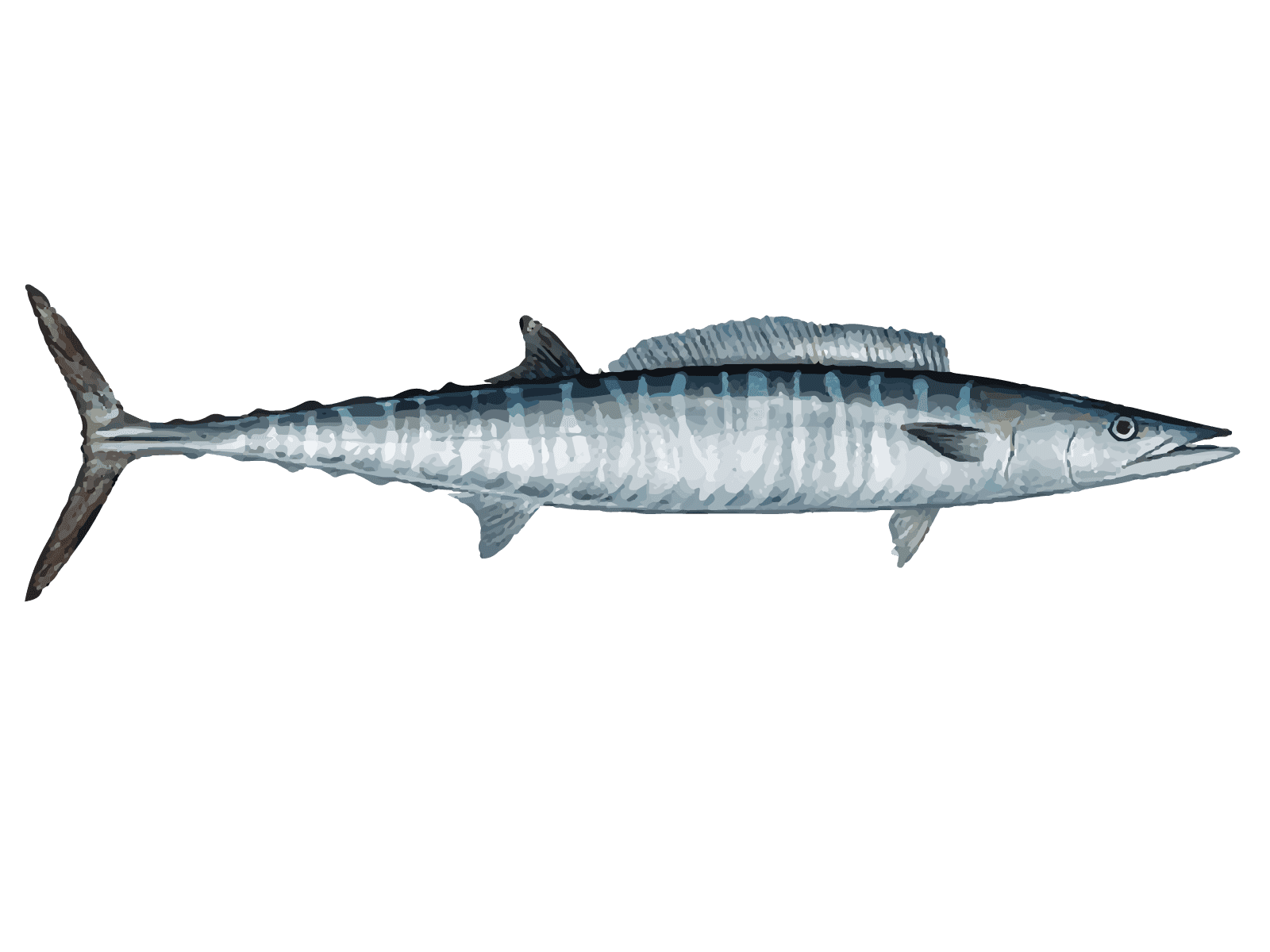
Wahoo are built for speed - these silver bullets with zebra stripes can hit 60 mph when they take your bait. Most run 3-5 feet and 30-60 pounds, but the big ones push 100+ pounds. You'll find them in open water around 60 feet deep, often near floating debris or temperature breaks. They're year-round fish here, but fall and winter months tend to be most productive. What makes wahoo special is that lightning-fast initial run - nothing prepares you for it. Plus, they're fantastic eating with white, flaky meat that's perfect for the grill. Pro tip: use wire leaders and troll fast at 12-15 knots. When you hook one, keep steady pressure but don't horse it - their mouths are softer than you'd think and they'll throw the hook if you get too aggressive with the drag.
Yellowfin Tuna
Yellowfin are the workhorses of the tuna family - averaging 40-80 pounds with those signature bright yellow fins. These warm-blooded speedsters cruise the upper 300 feet of blue water, often following temperature breaks and current edges. Peak season runs spring through fall when water temps hit the sweet spot. What draws anglers back is the raw power - yellowfin pull like freight trains and can strip 200 yards of line on the first run. They're also prime table fare, especially for sashimi. You'll find them year-round in our offshore waters, but summer months produce the most consistent action. My go-to technique is chunking when the trolling bite slows down - nothing beats watching a 60-pounder come up hot on a floating ballyhoo. Keep your drag smooth and be ready for multiple long runs before they give up.