%2Ffit-in%2F250x250%2Fguide_websites%2F183246%2Fimages%2F1786770216778keystomontauk.png&w=1920&q=100)
/users/2e210485-16d8-4a44-a2a1-ec7410a92e92/ratecard/378876976_169385579533646_3145792568991795559_n1-msui5b9a.jpg)
%2F300x300%2Fusers%2F2e210485-16d8-4a44-a2a1-ec7410a92e92%2Fratecard%2F378876976_169385579533646_3145792568991795559_n1-msui5b9a.jpg&w=256&q=75)
%2F300x300%2Fusers%2F2e210485-16d8-4a44-a2a1-ec7410a92e92%2Fimages%2Fmontauk-fishing-report-mstpdvtw.jpg&w=256&q=75)
%2F300x300%2Fusers%2F2e210485-16d8-4a44-a2a1-ec7410a92e92%2Fimages%2Fmarathon-fishing-report-mstpkiem.jpg&w=256&q=75)
%2F300x300%2Fusers%2F2e210485-16d8-4a44-a2a1-ec7410a92e92%2Fimages%2Fmontauk-scribbled-leatherjacket-filefish-2711.jpg&w=256&q=75)
%2F300x300%2Fusers%2F2e210485-16d8-4a44-a2a1-ec7410a92e92%2Fimages%2Fatlantic-cod-montauk-fishing-catch-2794.jpg&w=256&q=75)
%2F300x300%2Fusers%2F2e210485-16d8-4a44-a2a1-ec7410a92e92%2Fimages%2Fyellowfin-catch-montauk-ny-2723.jpg&w=256&q=75)
%2F300x300%2Fusers%2F2e210485-16d8-4a44-a2a1-ec7410a92e92%2Fimages%2Fmontauk-fishing-boat-catch-2663.jpg&w=256&q=75)
%2F300x300%2Fusers%2F2e210485-16d8-4a44-a2a1-ec7410a92e92%2Fimages%2Fmontauk-mahi-yellowfin-catch-2675.jpg&w=256&q=75)
%2F300x300%2Fusers%2F2e210485-16d8-4a44-a2a1-ec7410a92e92%2Fimages%2Fmontauk-fishing-boat-catch-2704.jpg&w=256&q=75)
%2F300x300%2Fusers%2F2e210485-16d8-4a44-a2a1-ec7410a92e92%2Fimages%2Fmontauk-mahi-mahi-catch-2730.jpg&w=256&q=75)
%2F300x300%2Fusers%2F2e210485-16d8-4a44-a2a1-ec7410a92e92%2Fimages%2Fmontauk-fishing-charter-catch-2774.jpg&w=256&q=75)
Florida Keys Land-Based & Bridge Angling
 Montauk, NY
What you will be catching:
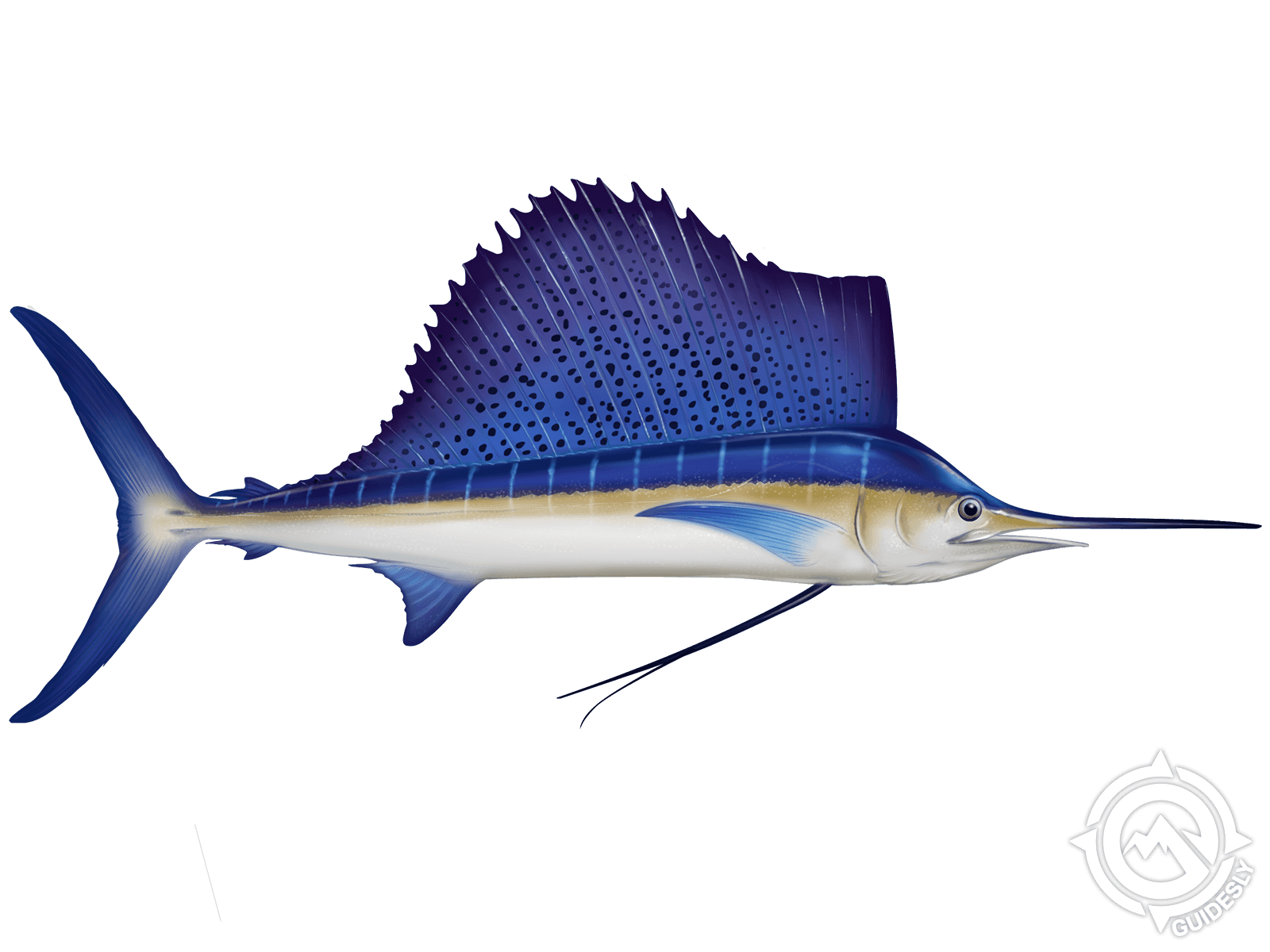
 Atlantic Sailfish
 Grey Snapper
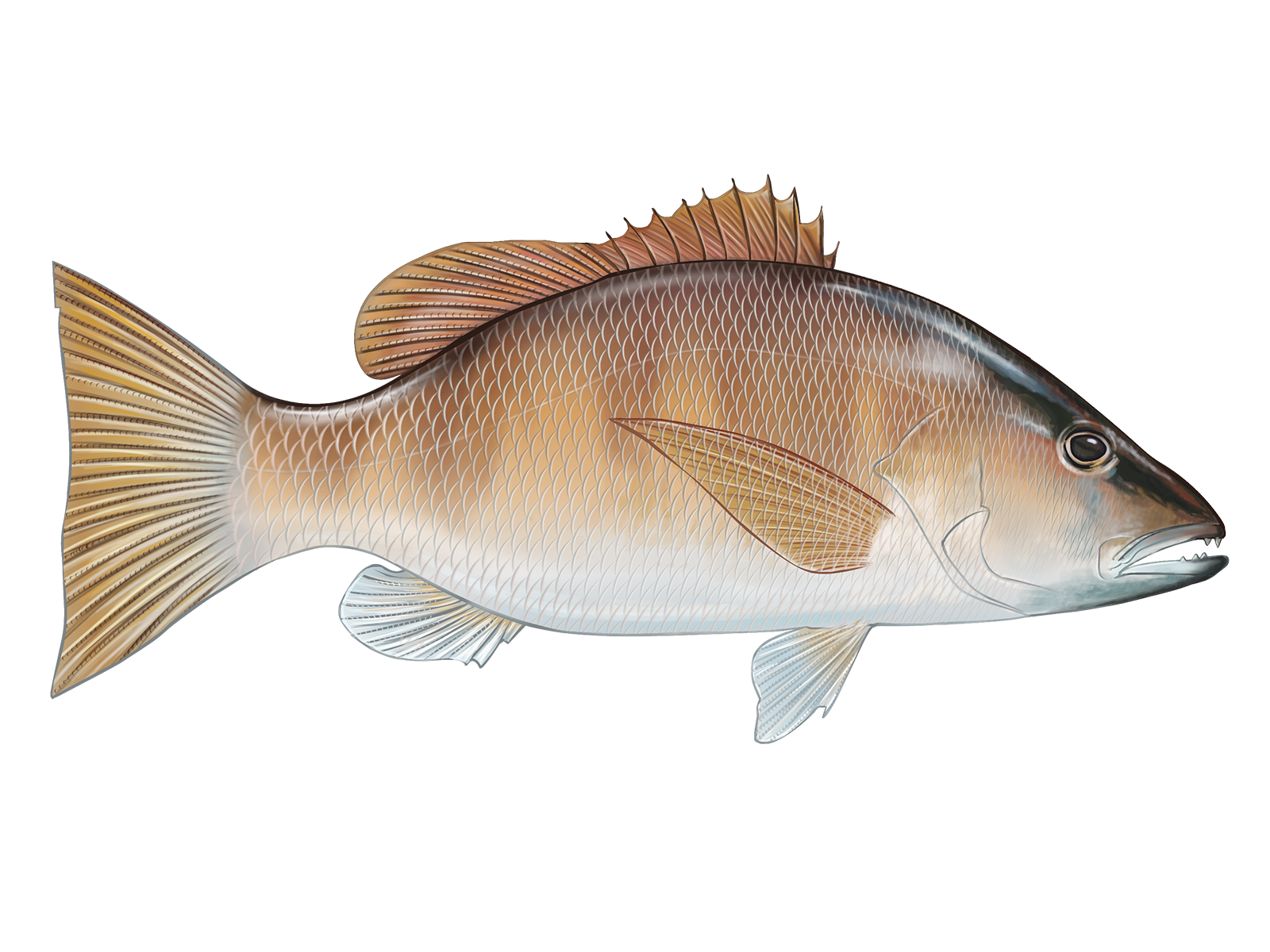
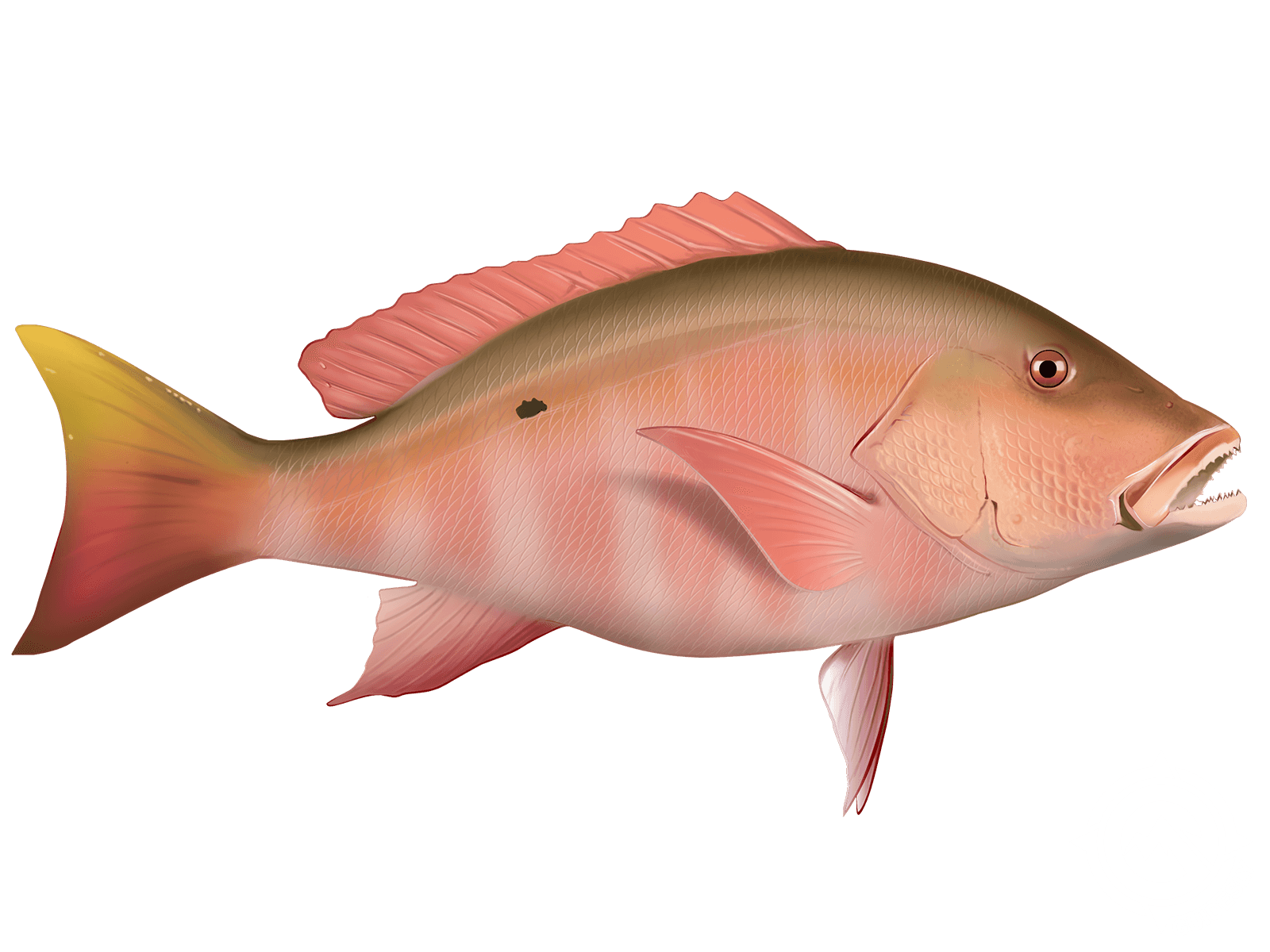
 Mutton Snapper
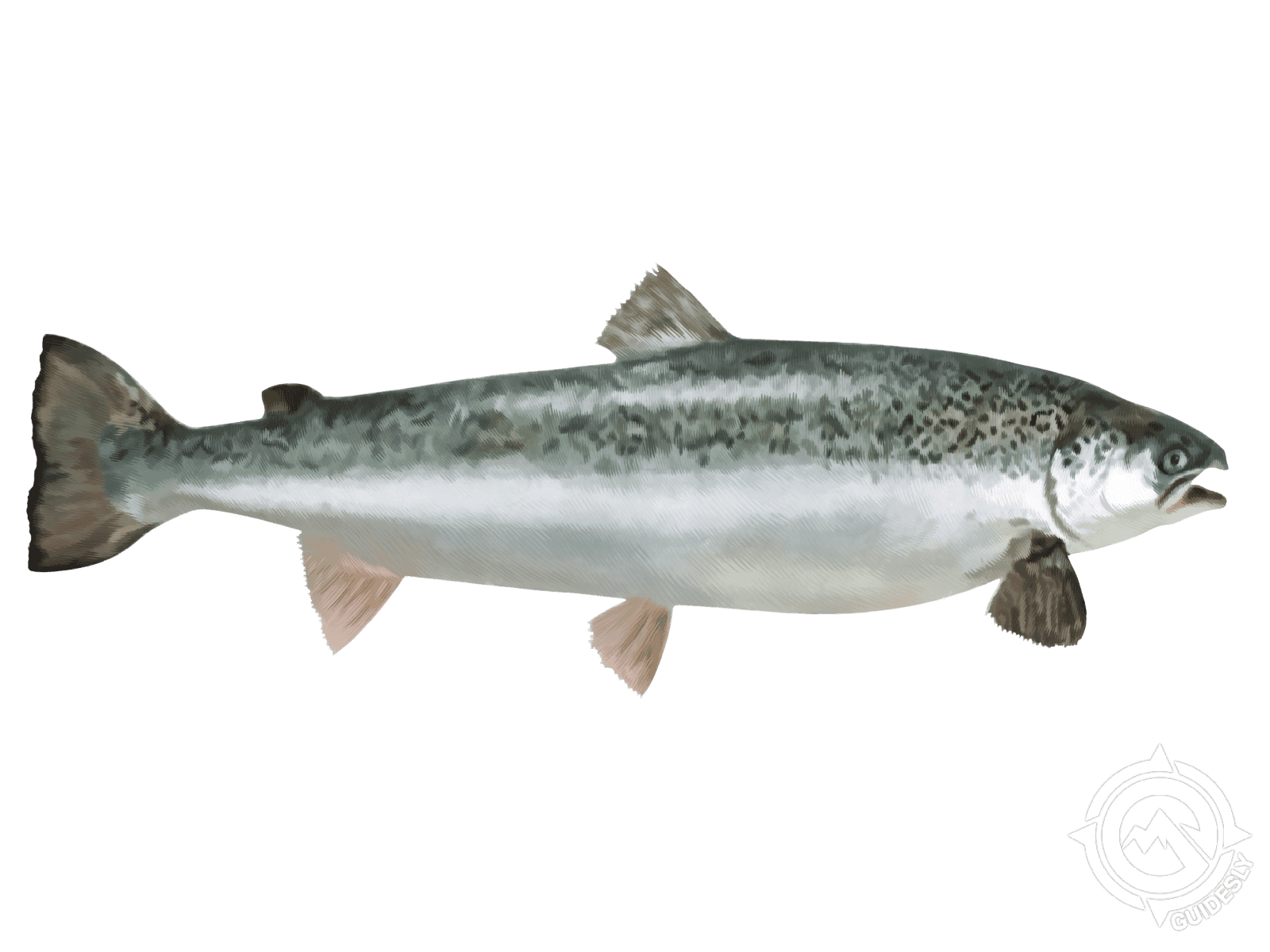
 Sea Trout
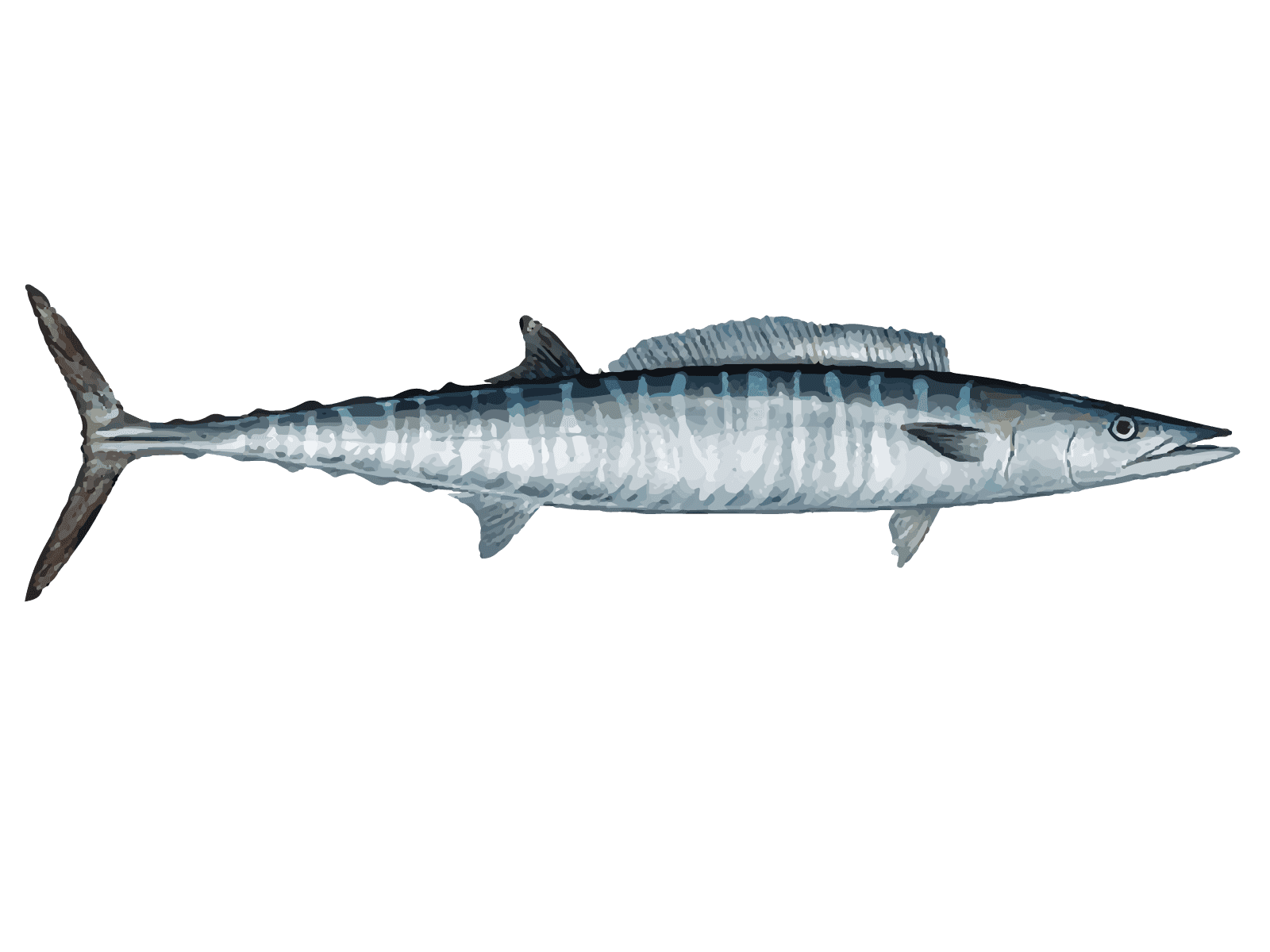
 Wahoo Fish
- World record holder instructs shore-based fishing techniques
- Target tarpon, snapper, and permit from bridges and flats
- Master casting precision, knot tying, and rig selection skills
Trip Pricing and Availabilities:
Florida Keys Land-Based & Bridge Angling
Forget what you think you know about Keys fishing – you don't need a boat to land world-class gamefish down here. This hands-on shoreline clinic puts you right where the action is: on bridges, flats, and shoreline access points that most anglers walk right past. You'll be learning from a world record holder who's made these waters his office for decades, and he's going to show you exactly how to read currents, rig your tackle, and present baits like a pro. Whether you're casting live pilchards or working artificials, this session builds the kind of confidence that turns weekend warriors into serious shore anglers.
What to Expect on the Water
This isn't your typical casting lesson – it's a full breakdown of what makes Keys shore fishing so productive. You'll start by learning how to read the water, because down here, tidal movement is everything. Your guide will show you how fast-moving currents create ambush points where tarpon, snapper, and permit stack up to feed. The beauty of this approach is that you're hitting multiple spots throughout the session, from iconic bridges where tarpon roll in the shadows to shallow flats where permit cruise the edges. With a maximum of 10 anglers, you get plenty of one-on-one attention to dial in your technique. The focus stays practical – knot tying, rig selection, bait presentation, and reading fish behavior. By the end of the day, you'll have a complete arsenal of shore fishing skills that work whether you're targeting silver kings or bottom dwellers.
Techniques and Tackle
Shore fishing in the Keys demands a different approach than anywhere else in the country. Your guide breaks down terminal tackle selection based on current speed, depth, and target species. You'll learn why a Carolina rig works magic on one bridge but fails miserably on another, and how to adjust your presentation when the tide changes. Live bait handling becomes crucial – how to keep pilchards lively in the heat, when to switch to shrimp, and why sometimes a well-placed pinfish outfishes everything else. The casting instruction goes beyond just distance; it's about accuracy and timing. Dropping a bait into a tarpon's feeding lane requires precision, and your guide will have you practicing until it becomes second nature. Artificial lure selection gets equal attention, from bucktails that sink fast in strong current to topwater plugs that drive surface feeders crazy during the right conditions.
Top Catches This Season
Sea Trout patrol the grass flats and shallow channels throughout the Keys, making them one of the most consistent targets for shore anglers. These speckled beauties typically run 14 to 20 inches, with bigger gator trout lurking in deeper cuts. Early morning and late afternoon produce the best action, especially when you're working live shrimp under a popping cork. What makes trout so appealing is their willingness to hit artificials – soft plastics, small jigs, and topwater plugs all produce when worked correctly. The fight is pure fun, with plenty of head shakes and surface action.
Wahoo might seem like an offshore-only species, but these speed demons regularly cruise close enough to shore for bridge anglers to connect. Fast trolled baits or live goggle-eyes fished near current breaks can produce explosive strikes. When a wahoo hits, you know it immediately – the screaming run and razor-sharp teeth make for an adrenaline-packed battle. Winter months offer the best opportunities, particularly around the deeper bridges where current funnels baitfish through narrow channels.
Mutton Snapper represent the premium table fare in Keys waters, and they're notorious for being picky eaters. These copper-colored fighters prefer live bait presented naturally in 15 to 40 feet of water. Structure is key – they stack around bridge pilings, rocky outcroppings, and channel edges. The challenge lies in their wariness; they'll inspect your offering multiple times before committing. When hooked, muttonfish make powerful runs toward structure, testing your drag and patience. Prime time runs from late fall through spring when they school up for spawning.
Grey Snapper, or mangrove snapper as locals call them, are the bread and butter of Keys bridge fishing. These scrappy fighters inhabit every piece of structure from shallow mangrove creeks to deep bridge spans. They're aggressive enough to hit artificials but smart enough to demand perfect presentations. Small jigs tipped with shrimp, live pilchards, or cut bait all produce consistently. The key is keeping your offering moving naturally with the current while staying close to structure where they ambush prey.
Atlantic Sailfish bring the glamour to shore fishing when conditions align perfectly. These billfish follow baitfish migrations close to shore during winter months, creating opportunities for bridge and pier anglers with the right setup. Live bait is essential – goggle-eyes, blue runners, or large pilchards fished on circle hooks give you the best shot. The visual aspect is what sets sailfish apart; watching one light up and attack your bait never gets old. Even a smaller sail will test your tackle and skills with multiple jumps and blistering runs.
Time to Book Your Spot
This land-based fishing clinic delivers skills you'll use for years to come. Instead of relying on charter boats and guides for every Keys fishing trip, you'll have the knowledge to find and catch fish on your own terms. The techniques you learn here work from Key Largo to Key West, giving you access to some of the most productive fishing grounds in the world. Your world record holding guide has decades of experience reading these waters, and he's sharing the kind of local knowledge that usually takes years to develop. With only 10 spots available per session, this personalized instruction fills up quickly during peak season. Book now and discover why serious anglers consider shore fishing in the Keys a completely different game than anywhere else they've fished.
Learn more about the species
Atlantic Sailfish
Atlantic sailfish are the ultimate prize for any angler, and while they're mainly offshore fish, big ones do show up around the deeper bridges during winter months when bait is thick. These magnificent fish average 7-8 feet and 50-60 pounds, with that iconic sail fin and sword-like bill. They hunt in 30-200 feet, following bait schools along current edges. December through March brings the best sailfish action here in the Keys when they migrate through our waters. What makes them special is that aerial show - multiple jumps and long runs that'll test your tackle and skills. The key is having heavy enough gear ready because when one shows up at a bridge, it's game on. Keep your drag smooth and let them run - trying to horse a sailfish will only result in a broken line and a story about the one that got away.
Grey Snapper
Mangrove snapper are probably the most common snapper you'll encounter fishing bridges and mangrove shorelines. They typically run 10-14 inches and 1-3 pounds inshore, though deeper water fish can hit 20 pounds. These opportunistic feeders love any kind of structure - docks, pilings, mangrove roots, rocky bottom - where they can ambush prey. They're most active at night, but daylight fishing around moving water produces well too. People target them because they're reliable biters and excellent table fare with sweet, white meat. Since they're naturally spooky, my best tip is to use the smallest weight possible and let your live shrimp swim naturally near the bottom. Don't jerk when you feel the bite - let them run with it a second before setting the hook, or they'll drop it.
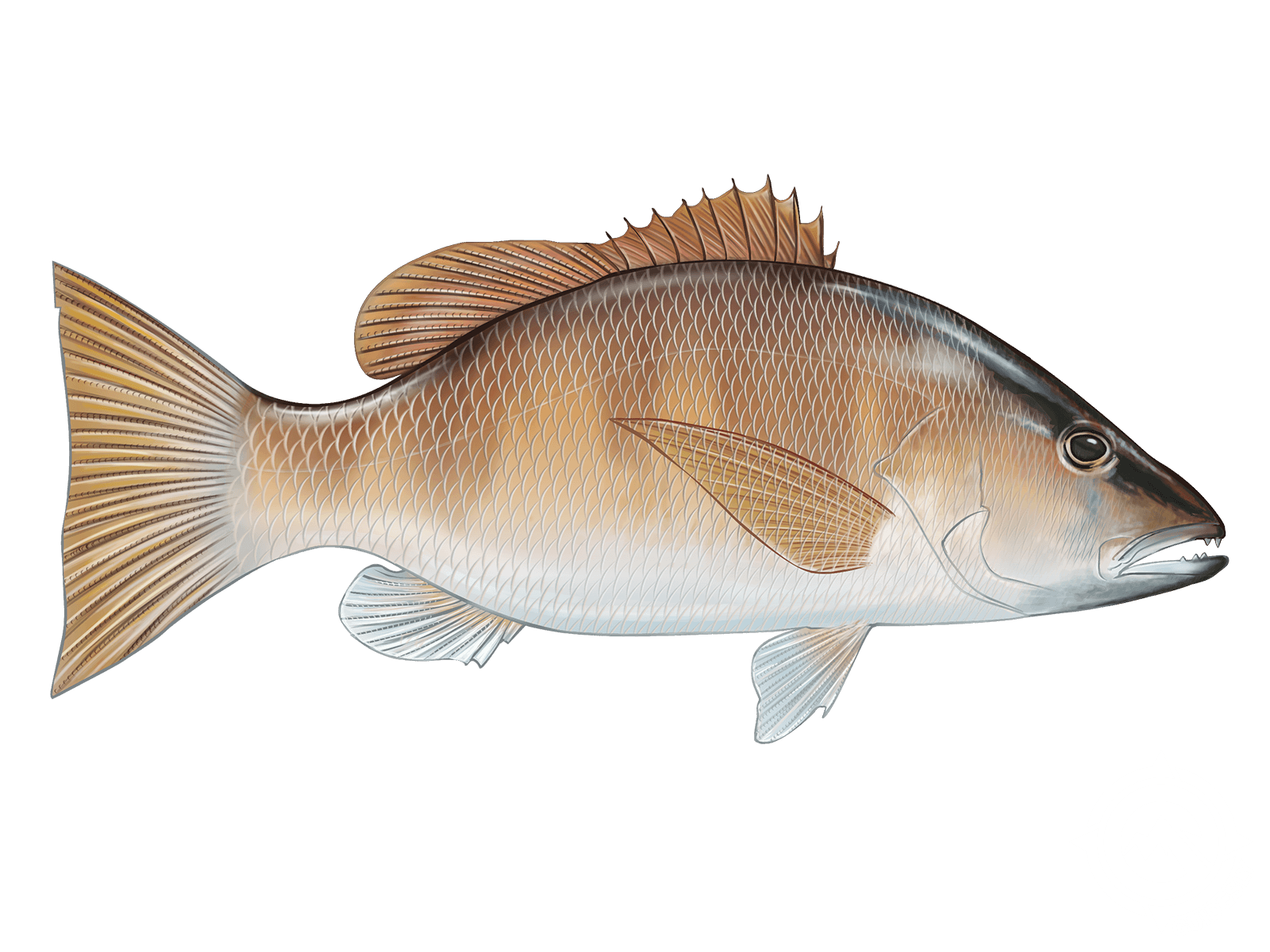
Mutton Snapper
Mutton snapper are some of the prettier fish we target, with that pinkish-olive coloration and distinctive blue lines around the face. Most run 15-20 inches and a few pounds, but 30+ inch fish pushing 20-30 pounds show up around the deeper bridges and channels. They prefer sandy areas near structure - think bridge pilings, reef edges, and inlet mouths in 15-80 feet of water. Spring and summer offer the best fishing when they move shallow to spawn. Anglers love muttons because they fight harder than most snappers and that pink meat is absolutely delicious. The trick is using the freshest bait you can get - live pilchards or ballyhoo - and letting it drift naturally in the current with minimal weight. These fish are smart, so if your presentation looks off, they'll ignore it completely.
Sea Trout
Spotted sea trout, or "specks," are one of our most reliable inshore targets here in the Keys. These silvery fish with distinctive black spots typically run 14-24 inches and 1-5 pounds, though bigger ones show up regularly. They love shallow grass flats and hang around structure like docks and bridges, especially at night when they feed most actively. Winter months are prime time when they school up in slightly deeper water. What makes them so popular is their willingness to bite and that sweet, flaky white meat that's perfect for the dinner table. My go-to trick? Fish live shrimp under a popping cork during moving water - the sound draws them in from a surprising distance, and that subtle action triggers strikes from even spooky fish.
Wahoo Fish
While wahoo are typically offshore fish, big ones occasionally cruise close enough to bridge and shore structure to make things interesting. These torpedo-shaped speedsters can hit 60 mph and usually run 3-5 feet long, though I've seen 8-footers that'll test any angler's skill. They hunt in 30-200 feet of water along current edges and drop-offs. Best action happens July through November when bait schools move through. What gets people fired up about wahoo is that blistering initial run and multiple jumps - plus the firm, white meat that tastes amazing grilled. The key to landing one from shore is having wire leader ready, because those razor-sharp teeth will slice through anything else in a heartbeat. When one shows up, you get exactly one chance.