%2Ffit-in%2F250x250%2Fguide_websites%2F183246%2Fimages%2F1786770216778keystomontauk.png&w=1920&q=100)
Scribbled Leatherjacket Filefish Caught in Montauk NY
Filefish Fishing in Montauk - What to Expect
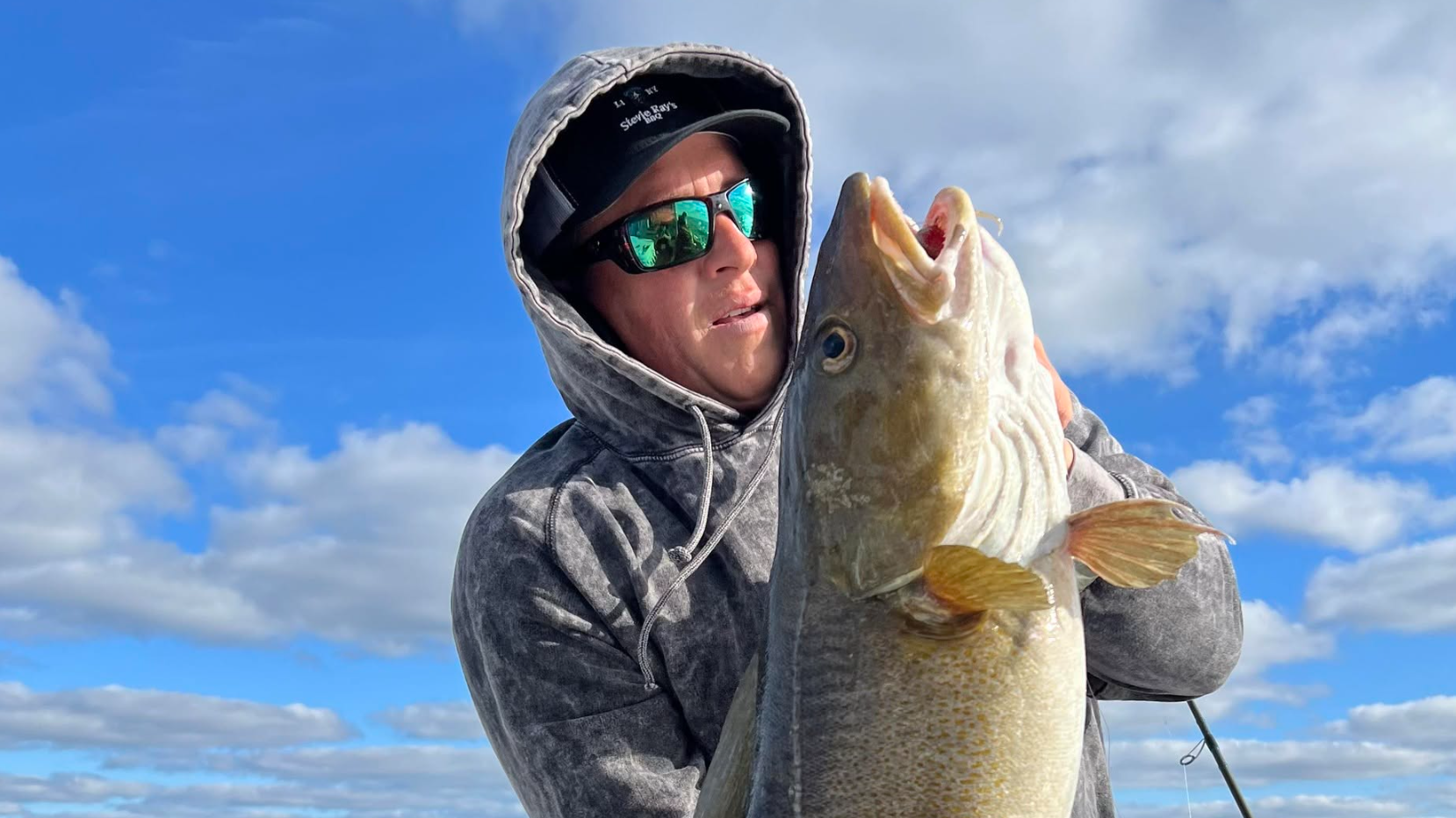
%2F%2Fusers%2F2e210485-16d8-4a44-a2a1-ec7410a92e92%2Fimages%2Fmontauk-scribbled-leatherjacket-filefish-2711.jpg&w=1920&q=75)
Fishing Charter by Captain Christopher Albronda in August
Meet your Captain Christopher Albronda
- Keys To Montauk: Premier Captain & Fishing Lessons


Summary
Join a fishing charter in Montauk on Friday, August 15th to pursue dynamic catches in pristine waters. This exciting fishing adventure showcases local species including the Scribbled Leatherjacket Filefish, delivering an unforgettable experience for anglers seeking action and memorable moments on the open water.
Fishing Charter with Captain Christopher Albronda - Rates & Booking
Captain Christopher Albronda of Keys To Montauk led this incredible fishing charter on Friday, August 15th, delivering fast-paced action and memorable catches. Book your own fishing charter adventure and experience the thrill of landing unique species in Montauk's premier fishing grounds. Contact Keys To Montauk today to reserve your spot and get details on rates, group sizes, and what's included in your fishing experience.
Highlights of Your Montauk Fishing Adventure
This fishing charter captures the raw excitement of pursuing diverse species in Montauk's dynamic waters. The day delivered dynamic action, featuring impressive catches like the Scribbled Leatherjacket Filefish - a prized species that challenges anglers and rewards skilled fishermen. Montauk's coastal environment offers consistent opportunities for exciting encounters with both common and unique fish species.
What makes this experience special is the combination of professional guidance, productive fishing grounds, and the unpredictability that keeps every cast engaging. Whether you're targeting specific species or embracing whatever bites, each moment on the water delivers anticipation and potential.
Local Species Insights: Scribbled Leatherjacket Filefish
The Scribbled Leatherjacket Filefish is a distinctive catch that showcases the incredible biodiversity of Montauk's offshore and nearshore environments. This species thrives in the rich waters surrounding Montauk, where diverse habitat structures support a wide range of marine life. Filefish are known for their unique behavior and cautious feeding patterns, making them an exciting challenge for anglers.
These fish occupy rocky areas, reefs, and structures throughout Montauk's fishing zones. Their presence indicates healthy, productive water conditions - exactly what makes Montauk such a premier fishing destination. Catching a Scribbled Leatherjacket Filefish demonstrates angling skill and local knowledge, as these species require strategic approach and proper technique. The moment of landing one of these unique catches delivers pure adrenaline and bragging rights that last long after the charter ends.
Montauk's waters consistently produce encounters with species like the Scribbled Leatherjacket Filefish alongside other favorites, creating a dynamic fishing experience where every trip brings new possibilities. Whether this is your first Montauk fishing charter or your twentieth, the combination of professional captaincy and diverse species keeps the action fresh and exciting.
Fishing in Montauk: Scribbled Leatherjacket Filefish

Scribbled Leatherjacket Filefish Overview
The Scribbled Leatherjacket Filefish (Aluterus Scriptus), belonging to the family Monacanthidae within the order Tetraodontiformes, is one of the ocean's most distinctive and elusive species. With its olive-brown coloration adorned with sky-blue stripes and jet-black dots, this fish resembles the handle of a sundae cup spoon, featuring an elongated body and a rounded, dark gold tail fin. What truly sets this species apart is its remarkable camouflage ability and its peculiar backward-swimming feeding technique—a behavior that has earned it respect among seasoned anglers worldwide. Whether you're exploring tropical reef systems or visiting local aquariums, the presence of a Scribbled Leatherjacket Filefish signals a truly special marine environment worth investigating.
Scribbled Leatherjacket Filefish Habitat and Distribution
The Scribbled Leatherjacket Filefish thrives exclusively in warm tropical waters, preferring the deeper portions of lagoons and seaward reefs. These demersal fish are typically found at depths ranging from 10 to 394 feet, where they navigate complex reef structures with remarkable agility. During daylight hours, they forage through sand and coral crevices searching for food, but as darkness falls, these shy creatures retreat into rocky crevices and activate their unique dorsal spines—essentially locking themselves into place as a defense mechanism. This behavior, while protecting them from predators, creates significant challenges for anglers attempting to extract them from their hideaways. The species inhabits tropical regions worldwide, with particularly strong populations found in established reef systems where coral diversity and suitable depth gradients converge.
Scribbled Leatherjacket Filefish Size and Weight
The typical Scribbled Leatherjacket Filefish measures between 22 and 30 inches in length, though exceptional specimens can reach up to 43 inches. The largest recorded individual stretched approximately 43 inches long, demonstrating that these fish have considerable growth potential despite their relatively small mouths. Average weight for this species hovers around 5.5 pounds, with specimens ranging from 2 to 6 pounds depending on age and nutritional availability. Notably, there appears to be no significant size difference between males and females, suggesting that sex determination through physical characteristics alone is virtually impossible without internal examination. Their modest proportions belie their strength and resilience, particularly when their defensive spinal mechanisms engage within rocky substrates.
Scribbled Leatherjacket Filefish Diet and Behavior
The Scribbled Leatherjacket Filefish possesses an omnivorous diet that showcases remarkable diversity for its small mouth size. Using its elongated snout as a specialized digging tool, this species excavates through sand and coral formations to extract prey items including crustaceans (crabs and shrimp), tunicates (coral-like organisms adhered to the seafloor), sea anemones, soft corals, and various algae species. Perhaps most intriguingly, when feeding, this fish swims in reverse while stripping meat from food items—a behavior that defines much of angler strategy when pursuing the species. The Scribbled Leatherjacket Filefish is characteristically shy and non-confrontational, typically traveling alone or in established pairs rather than schools. This solitary nature extends to their incompatibility with other fish species; when forced into mixed-species environments, they either flee or slowly starve rather than compete for resources. Their sensitivity to pH changes makes them incredibly difficult to maintain in captivity, which is why they appear exclusively in professional aquarium settings rather than private collections.
Scribbled Leatherjacket Filefish Spawning or Seasonal Activity
While specific spawning seasons and reproductive behaviors for the Scribbled Leatherjacket Filefish remain somewhat understudied in scientific literature, their year-round presence in tropical reef systems suggests they may spawn seasonally in response to water temperature fluctuations and lunar cycles, much like other reef-dwelling species. Their nocturnal refuge-seeking behavior—when they lodge their dorsal spines into rock crevices for protection—represents a critical survival strategy that intensifies during darker moon phases when predation risk increases. Behavioral studies indicate that activity levels may fluctuate seasonally, with more aggressive feeding and exploration during warmer months when water conditions stabilize. The species' extreme sensitivity to environmental changes, particularly pH shifts, suggests they are indicator species for reef health and may demonstrate altered activity patterns during seasonal water quality variations common in tropical regions.
Scribbled Leatherjacket Filefish Techniques for Observation or Capture
Technique 1: Light-Line Precision Fishing with Small Squid
To successfully pursue the Scribbled Leatherjacket Filefish, employ a size 10 or smaller hook paired with a 50-pound braided casting line. Use fresh squid cut into small, manageable pieces with the barb slightly exposed for hook-setting efficiency. The critical moment arrives when the fish engages in its distinctive backward-swimming feeding motion; you must set the hook immediately before it pulls the bait free. Patience is absolutely essential, as these fish test an angler's resolve with their deliberate, cautious approach to unfamiliar food sources. Around popular tropical reef destinations, early morning fishing sessions before heavy boat traffic often yield better results, as the fish remain more active and less startled.
Technique 2: Crevice Extraction Strategy
When pursuing Scribbled Leatherjacket Filefish hiding within rock formations and coral crevices, apply steady, deliberate pressure rather than aggressive jerking motions. Their defensive spine-locking mechanism, while formidable, can be overcome through consistent upward pressure that gradually dislodges them from their hiding places. Maintain tension on your braided line throughout the extraction process, as any slack will allow them to re-lodge deeper within the structure. This technique requires experience and finesse—brute force typically results in lost specimens or broken equipment.
Technique 3: Dawn Reef Observation and Location Scouting
Scout potential fishing locations during daylight hours at depths of 20 to 60 feet where these fish actively forage through sand and coral. Note areas with abundant small crustaceans, tunicates, and coral formations—these represent prime feeding zones. Return to these same locations during early dawn or dusk periods when activity levels peak and fish remain more accessible before retreating to deeper crevices. Around established reef systems in popular tropical destinations, talking with local guides familiar with Scribbled Leatherjacket Filefish behavior patterns can dramatically improve your success rate and safety when navigating complex underwater terrain.
Scribbled Leatherjacket Filefish Culinary or Utilization Notes
The Scribbled Leatherjacket Filefish presents average odds as a food fish, meaning culinary pursuit rarely justifies the considerable effort required for capture. Their modest size and limited meat yield make them poor candidates for serious food fishing compared to larger reef species. However, their aesthetic appeal—the distinctive blue stripes, black dots, and overall elegant form—has made them valuable for educational aquarium displays and marine research facilities. Professional oceanariums maintain specimens specifically for public viewing and scientific study, recognizing their value as charismatic marine ambassadors. From a sustainability perspective, recreational catch-and-release fishing for this species offers excellent odds for engagement without contributing to population pressures, making it an ideal target for anglers seeking challenge rather than harvest.
Scribbled Leatherjacket Filefish Frequently Asked Questions
Q: What is the best bait and hook combination for catching a Scribbled Leatherjacket Filefish?
A: Small, fresh squid cut into bite-sized pieces paired with a size 10 or smaller hook provides optimal results. The key is ensuring the barb remains slightly exposed so you can set the hook effectively when the fish begins its characteristic backward-swimming feeding motion. Larger hooks and bait pieces will cause the fish to escape with your offering intact, leaving you with an empty hook and considerable frustration.
Q: Why do Scribbled Leatherjacket Filefishes swim backwards while eating, and how does this affect my fishing technique?
A: This unusual backward-swimming behavior appears to be a feeding adaptation that allows the fish to use its small mouth more efficiently by stripping flesh from food items as it retreats. From an angler's perspective, this behavior demands immediate hook-setting the moment you detect a bite—hesitation or delayed response will result in the fish successfully removing your bait and disappearing into the reef. Experienced anglers watch their line tension meticulously and strike at the first indication of fish contact.
Q: Where can I find Scribbled Leatherjacket Filefishes near popular tropical diving destinations?
A: These fish inhabit lagoons and seaward reefs at depths between 10 and 394 feet, though they're most commonly encountered at 20 to 60 feet where reef structure is most complex. Look for areas abundant in coral formations, rock crevices, and sandy patches interspersed with crustacean and tunicate populations. Local fishing guides familiar with specific reef systems can direct you to proven locations where encounters are most reliable.
Q: Can Scribbled Leatherjacket Filefishes survive in home aquariums?
A: No—these fish are essentially impossible to keep in captivity due to their extreme sensitivity to pH changes and their behavioral incompatibility with other species. They refuse to eat in confined environments and will starve rather than compete with tank-mates. Only professional aquariums with specialized water quality control systems and single-species tank arrangements have successfully maintained specimens, making them exclusively public-display fish.
Q: What makes this species so difficult to catch compared to other reef fish?
A: The combination of their small mouth, unique feeding behavior, defensive spine-locking mechanism, and extreme shyness creates a perfect storm of angling difficulty. These fish are non-confrontational by nature and will flee from unfamiliar situations, requiring patient, precise technique rather than aggressive fishing methods. Their ability to instantly lodge their dorsal spines into rock crevices means even successfully hooked specimens can escape during the extraction process if you don't apply proper, steady pressure.
Q: Is the Scribbled Leatherjacket Filefish good to eat, and are they worth pursuing for food?
A: While technically edible, the Scribbled Leatherjacket Filefish offers average food quality with minimal meat yield relative to the considerable effort required for capture. Most anglers pursue this species for the challenge and experience rather than culinary rewards. Their true value lies in catch-and-release recreational fishing and their role as indicators of healthy reef ecosystems worth preserving for future generations.