%2Ffit-in%2F250x250%2Fguide_websites%2F183246%2Fimages%2F1786770216778keystomontauk.png&w=1920&q=100)
Mutton Snapper, Yellowfin & Cero in Montauk NY
Montauk Fishing Charter - What to Expect
%2F%2Fusers%2F2e210485-16d8-4a44-a2a1-ec7410a92e92%2Fimages%2Fmontauk-mixed-bag-snapper-yellowfin-2874.jpg&w=1920&q=75)
Fishing Charter by Captain Christopher Albronda in August
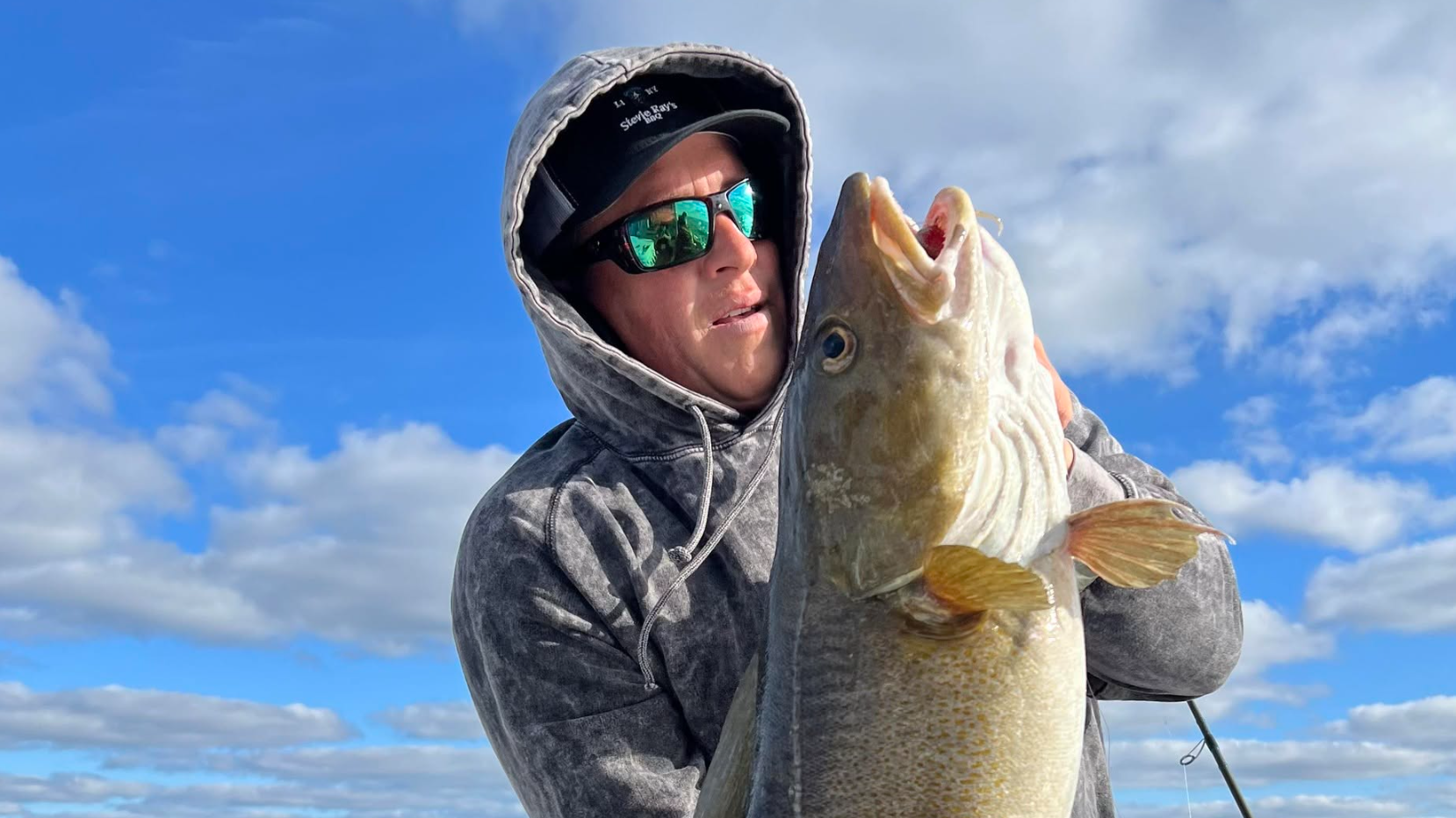
Meet your Captain Christopher Albronda
- Keys To Montauk: Premier Captain & Fishing Lessons


Summary
Drop lines for mutton snapper, yellowfin, and cero mackerel on this high-octane fishing charter in Montauk, NY. Captain Christopher Albronda's expertise delivers non-stop action and trophy catches that'll fuel your adrenaline all day long.
Fishing Charter with Captain Christopher Albronda - Rates & Booking
Captain Christopher Albronda of Keys To Montauk delivered explosive results on this August fishing charter in Montauk. The action was relentless, with mutton snapper, yellowfin, and cero mackerel hitting hard and fighting harder. This is the kind of day that separates memorable trips from legendary ones. To lock in your own high-octane adventure, contact Keys To Montauk directly for current rates and availability.
Charter fishing in Montauk puts you on the frontlines of serious saltwater action. Whether you're a seasoned angler or stepping up your game, this operation knows how to put clients on fish. Trust signals matter here - local expertise built through years of reading these waters, proven success with multiple species, and the kind of captain who knows exactly where the bite is happening.
Highlights of This Montauk Fishing Charter
Three species, multiple hookups, pure adrenaline - that's the story this image tells. The combination of mutton snapper, yellowfin tuna, and cero mackerel represents the diversity and productivity of Montauk's offshore waters. These aren't small catches either. Every fish displayed reflects strategic positioning, solid technique, and the aggressive feeding patterns that make summer fishing in this region absolutely explosive.
The dock setup tells the tale of a successful outing. Fresh-caught fish, properly handled and ready for display, showcase what peak performance looks like on the water. This is what clients dream about when they book a charter - that moment when effort transforms into genuine trophy-quality results.
Local Species Insights: Mutton Snapper, Yellowfin & Cero Mackerel
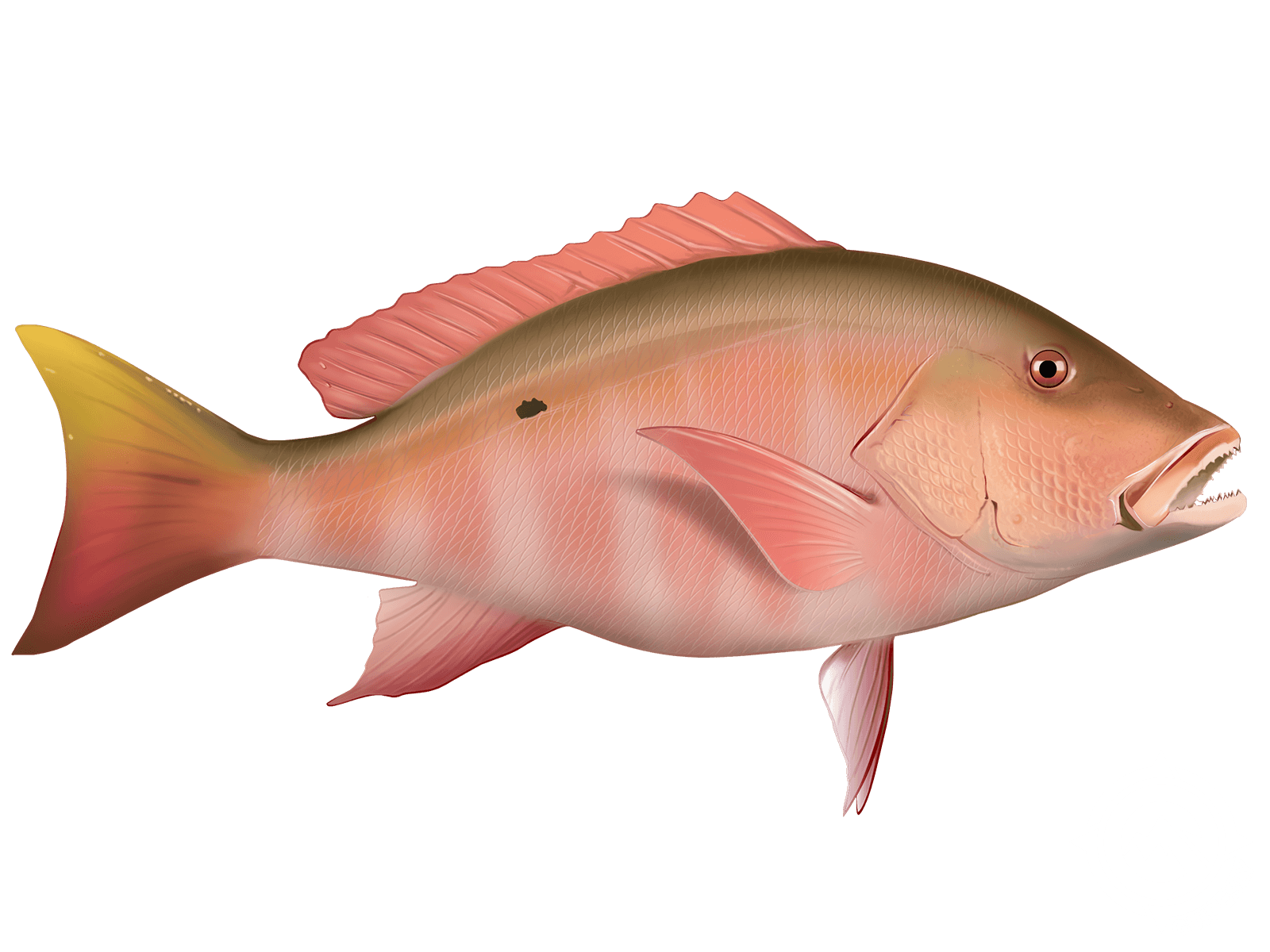
Montauk's offshore ecosystem supports some of the Atlantic's most aggressive and challenging gamefish. Mutton snapper rank among the hardest hitters in these waters, with powerful runs and stubborn fighting that tests both rod and angler. These bottom-dwellers typically patrol deeper structures and wreck zones, making them a prized target for experienced charter crews who know the underwater topography.
Yellowfin tuna bring pure pelagic intensity to the party. These streamlined predators are built for speed and endurance, and they'll take your line into the backing faster than you can process what just happened. They hunt in coordinated groups, often triggering feeding frenzies that transform a good day into an unforgettable one. When yellowfin are biting in Montauk, the energy shifts - every cast carries genuine possibility.
Cero mackerel deserve respect as apex hunters. Built like underwater missiles with razor-sharp teeth and aggressive striking power, these fish demand premium tackle and sharp technique. They attack with authority, and the fight that follows is all raw energy and determination. Their presence in a catch indicates that the water conditions aligned perfectly and the bite was genuinely hot.
The combination of all three species on a single outing reflects the abundance and diversity that makes Montauk a premier fishing destination. Summer conditions, warm water temperatures, and robust baitfish populations create the perfect storm for multi-species action. Captain Christopher Albronda's success with this particular haul demonstrates intimate knowledge of where these fish congregate and how to trigger aggressive strikes.
Offshore fishing around Montauk demands respect for the Atlantic's raw power while delivering the kind of unpredictable, explosive action that drives serious anglers back to the water again and again. The challenge and reward cycle keeps people coming back, and results like these prove why.
Fishing in Montauk: Yellowfin and Mutton Snapper
Cero Mackerel Overview
The Cero Mackerel (Scomberomorus regalis) is a sleek and powerful saltwater fish belonging to the family Scombridae and order Perciformes. This torpedo-shaped predator is instantly recognizable by its distinctive yellow-orange dots, striking bronze streak running along its flanks, and bluish-black anterior dorsal fin—features that set it apart from its close cousin, the Spanish Mackerel. Often referred to as the best of the mackerels for sport rating and food quality, the Cero is a prized catch throughout the western Atlantic, especially around the Florida Keys and the Caribbean. With razor-sharp teeth and the ability to reach speeds of 30mph, this muscular hunter is built for explosive strikes and thrilling fights that make it a favorite among recreational anglers visiting tropical destinations.
What makes the Cero truly special is its combination of speed, agility, and accessibility. Unlike some game fish that require specialized techniques or extreme patience, Ceros reward anglers with immediate action and memorable encounters in warm coastal waters. From Miami to the Bahamas, local guides and seasoned anglers know that a productive day on the water often means connecting with one of these lightning-fast stripers of the sea.
Cero Mackerel Habitat and Distribution
Cero Mackerel thrive in tropical and subtropical waters throughout the western Atlantic, with their range extending from Massachusetts all the way down to Brazil. However, they reach peak abundance around the Florida Keys, the Bahamas, and the West Indies, where warm coastal currents and abundant forage create ideal living conditions. These fish are not schooling fish; instead, they travel solo or in very small groups, making each encounter feel more personal and unpredictable.
These mackerels favor both nearshore and offshore environments, showing a marked preference for clear coastal waters where they can hunt effectively. Common habitats include coral reef systems, patch reefs, shipwrecks, and the open water columns between 3 and 66 feet deep. They typically remain near the water's surface or at mid-depth levels, making them accessible to anglers using relatively simple tackle and techniques. The fish are year-round residents in most of their range, particularly near Florida, Puerto Rico, and Venezuela, though spawning activity intensifies in midsummer and extends from April through October in Jamaica.
Cero Mackerel Size and Weight
The typical market size for Cero Mackerel ranges between 5 to 10 pounds, with 8 pounds representing an average specimen. Most fish reaching maturity measure approximately 12 to 15 inches in length. However, these dimensions belie the species' surprising strength and fighting capability—their streamlined bodies are deceptively powerful.
For the ambitious angler, larger specimens do exist. The all-tackle world record stands at an impressive 17 pounds, 2 ounces, a benchmark that showcases the upper end of potential catches. Specimens between 24 to 72 inches have been documented, though fish in this size range are exceptional rather than routine. The key to understanding Cero proportions is recognizing that they are relatively thin fish in relation to their weight—a 12-pound Cero will feel considerably more slender in your hands than a 12-pound striped bass or largemouth, contributing to their reputation as speed demons of the shallow seas.
Cero Mackerel Diet and Behavior
The Cero Mackerel is an aggressive ambush predator with a diverse and opportunistic diet. These fish primarily feed on clupeoid fish such as herrings and anchovies, along with small schooling forage like sardines. They also readily consume silversides, squid, and shrimp, making them versatile hunters adaptable to changing food availability throughout the year.
Behaviorally, Ceros are surface feeders and often exhibit explosive, acrobatic strikes that send prey scattering in all directions. They possess excellent eyesight and can detect both prey and threats from considerable distances, which is why they frequently target topwater lures and react aggressively to visible disturbances on the water's surface. Despite their speed and initial power, Ceros have mediocre stamina compared to other game fish, meaning they tend to tire relatively quickly after an initial explosive run. This characteristic makes them accessible to anglers of varying skill levels and rod strengths, as a determined and patient angler can typically land a hooked fish without requiring championship-level endurance.
Cero Mackerel Spawning and Seasonal Activity
Cero Mackerel spawn offshore in deeper waters during midsummer, shifting their behavior dramatically during breeding season. In Jamaica, spawning occurs from April through October, while in Florida, Puerto Rico, and Venezuela, reproductive activity extends year-round due to warmer water temperatures that promote continuous breeding cycles.
Female Ceros are prolific egg producers, each individual releasing between 160,000 to 2.23 million eggs per spawning event. These eggs are highly buoyant and develop in the open ocean, dispersed by currents to various nursery grounds throughout the Atlantic basin. The species does not migrate or stray significantly from its natural habitat despite spawning offshore—populations remain resident to their traditional ranges, meaning consistent populations can be found in the same general areas year after year. This predictability is a major advantage for visiting anglers and charter captains who can plan trips knowing that productive grounds remain productive season after season.
Cero Mackerel Techniques for Observation and Capture
Technique 1: Chumming with Live and Cut Bait — This is the most straightforward approach for attracting Ceros to your location. Deploy a steady chum line using ballyhoo, pilchard, or any fresh baitfish over patch reefs and shallow structure. Once the fish are primed and actively feeding, they will strike almost any natural bait presentation. Use a 20-pound braid mainline paired with a spinning reel as your foundation, but balance line visibility against bite resistance by incorporating a leader that accounts for their sharp teeth while remaining relatively thin. Target depths between 10 and 40 feet, and work the chum line methodically to attract multiple fish to your zone. Around the Florida Keys, this technique produces consistent results during both morning and late-afternoon feeding windows.
Technique 2: Topwater Lures and Surface Strikes — For the most exhilarating encounters, fish topwater plugs and poppers over shallow reefs and open water. Ceros readily feed off the surface, especially during low-light conditions, and will attack surface disturbances with reckless aggression. Cast 30 to 50 feet away from visible structure, then retrieve with deliberate pauses and twitches to create compelling prey-like motion. This technique is particularly productive early morning and in the hour before sunset, when Ceros actively hunt near the surface. The visual component—watching a 10-pound mackerel explode beneath your lure—makes topwater fishing unforgettable.
Technique 3: Light Jigging and Vertical Presentations — When Ceros are holding at mid-depth over deeper structure, deploy small metal jigs (1/2 to 1-ounce) or diamond jigs in silver or white. Work these lures with sharp, snappy rod movements to trigger predatory responses. This method is particularly effective when chum lines are slow to produce strikes and requires slightly heavier tackle (25 to 30-pound braid) to handle the increased depths and potential for larger specimens. Vertical jigging near shipwrecks and deep patch reefs often yields quality fish when surface fishing slows.
Cero Mackerel Culinary and Utilization Notes
The Cero Mackerel is a sushi-grade fish highly prized in culinary applications, particularly for raw preparations like sashimi and ceviche. Its firm, flavorful flesh and natural oils make it ideal for these delicate preparations, and many high-end restaurants in Caribbean and Florida coastal cities feature Cero on their menus.
Beyond raw applications, Cero Mackerel responds beautifully to grilling, pan-searing, and smoking. The meat is lean yet flavorful with a slightly gamey undertone that pairs well with citrus, tropical fruits, and light sauces. Nutritionally, it provides an excellent source of lean protein, omega-3 fatty acids, and essential micronutrients. The fish has been classified as having good odds for food quality, making it a legitimate dinner option rather than a catch-and-release-only species. Many visiting anglers choose to keep smaller fish (5 to 8 pounds) for dinner while releasing larger specimens to maintain populations for future encounters. The species is not currently subject to harvest restrictions in most jurisdictions, though local regulations should always be verified before keeping any fish.
Cero Mackerel Frequently Asked Questions
Q: What is the best bait and tackle for catching Cero Mackerel?
A: A 20-pound braided mainline with a spinning reel represents the ideal starting point. Balance line visibility with bite resistance by incorporating a fluorocarbon or monofilament leader. For bait, ballyhoo and pilchard are exceptional choices, though live sardines and anchovies also produce strikes. Topwater lures, small jigs, and metal spoons round out an effective arsenal. The key is matching your tackle to the fish's sharp teeth while maintaining a presentation fine enough to avoid spooking them in clear water.
Q: Where can I find Cero Mackerel near the Florida Keys?
A: The Florida Keys are home to some of the most consistent Cero populations in North America. Focus your efforts on patch reefs, shallow flats adjacent to deeper drop-offs, and nearshore reef structures. Charter captains operating out of Key West, Marathon, and Islamorada know these grounds intimately and can position you for productive fishing. Early morning (dawn to 10 AM) typically yields better results than midday activity.
Q: Is Cero Mackerel good to eat?
A: Yes, absolutely. Cero Mackerel is sushi-grade fish with firm, flavorful flesh suited for both raw and cooked preparations. Sashimi, ceviche, grilling, and pan-searing all showcase the meat beautifully. The food quality has been rated as good odds for consumption, making it a legitimate culinary target rather than a pure catch-and-release experience. Many anglers keep specimens between 5 and 10 pounds for dinner while releasing larger fish.
Q: When is the best time to catch Cero Mackerel?
A: Cero Mackerel can be caught year-round throughout their range, though peak activity often occurs during spring and early summer (April through June) when water temperatures stabilize and spawning behavior drives feeding aggression. Early mornings and late afternoons consistently outperform midday periods. The species is active during both light and dark conditions, though twilight hours (dawn and dusk) tend to produce the most explosive surface strikes.
Q: How fast do Cero Mackerel swim and how long do they fight?
A: Cero Mackerel have been documented reaching speeds of 30mph, making them among the faster inshore game fish. However, they lack the endurance of striped bass or large tarpon, tiring relatively quickly after initial explosive runs. A typical fight lasts 5 to 15 minutes depending on fish size and angler skill, making them accessible to anglers seeking thrilling but manageable battles.
Q: Are Cero Mackerel affected by parasites or disease?
A: The Cero Mackerel has been documented hosting 21 different parasites, though this number is not unusual for saltwater game fish and does not diminish their value as food or sport fish. Proper handling, immediate icing, and thorough cooking eliminate any parasitic concerns. The species remains healthy and prolific throughout its range.
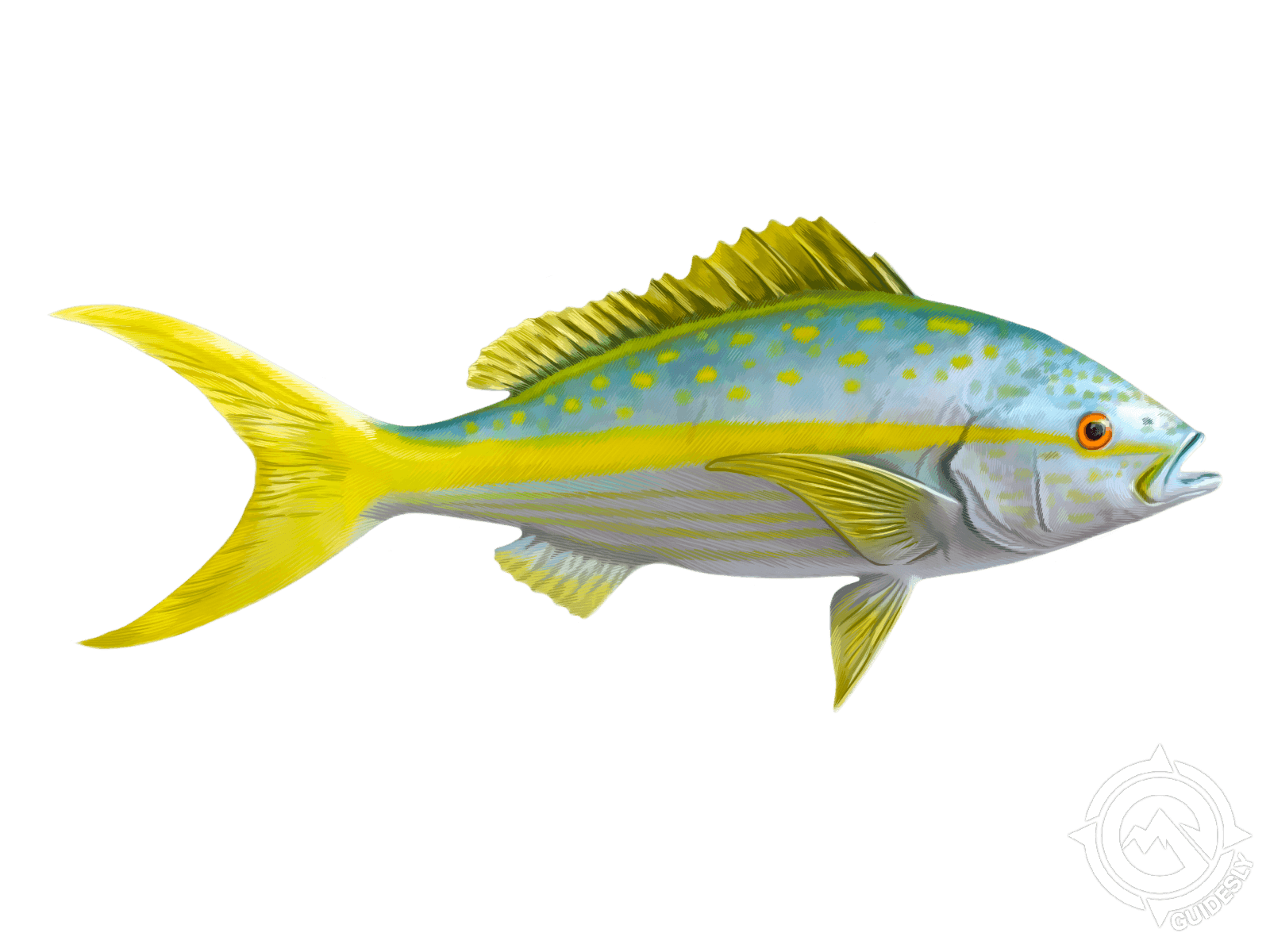
The yellowfin, scientifically known as Ocyurus chrysurus, is one of the most recognizable members of the Lutjanidae family in the order Perciformes. This distinctive snapper stands out with its brilliant yellow stripe running from snout to tail and that unmistakable bright yellow forked tail that gives it its common name. What makes this fish truly special is that it's the only species in its genus, making it absolutely unique among Caribbean reef fish. Local anglers often call the smaller ones "tails" and the bigger specimens "flags," and once you see one flash by a reef, you'll understand why this fish has captured the hearts of both recreational anglers and marine aquarium enthusiasts worldwide.
Yellowfin Overview
This oval-shaped beauty is much more than just a pretty face on the reef. The yellowfin represents one of the most sought-after game fish in tropical Atlantic waters, prized both for its fighting spirit and its excellent table fare. What really sets this species apart is its approachable nature for anglers of all skill levels - it's one of the few game fish that kids can successfully target while still providing enough challenge to keep seasoned anglers coming back. The fish's white, flaky flesh has earned it a reputation as an excellent substitute for grouper and swordfish, making it valuable both recreationally and commercially. You'll find them featured prominently in sashimi markets and high-end restaurants throughout their range.
Yellowfin Habitat and Distribution
These reef-associated fish call the Western Atlantic home, with their range stretching from Massachusetts all the way down to southeastern Brazil. However, their sweet spot is really around south Florida, the Bahamas, and throughout the Caribbean where the water stays warm year-round. They're incredibly versatile when it comes to habitat, equally comfortable around hard coral reefs, soft bottom areas, and submerged vegetation. You'll typically find them at depths between 33 and 230 feet, though they've been recorded as deep as 590 feet and occasionally right near the surface. The juveniles prefer the protection of seagrass beds and vegetated inshore waters in estuaries and bays, while the adults tend to stick around nearshore reefs where they form schools and establish territories they'll defend for years.
Yellowfin Size and Weight
Most anglers can expect to catch yellowfin in the 8 to 14-inch range, with fish rarely exceeding 16 inches in typical fishing scenarios. However, don't let their modest average size fool you - this species can reach impressive proportions under the right conditions. The largest recorded specimen stretched an incredible 34 inches, and the current international record stands at 11 pounds. These measurements represent truly exceptional fish, but even the average-sized specimens provide excellent sport on light tackle. The beauty of targeting yellowfin is that you never know when you might hook into one of those legendary "flags" that local guides talk about - those thick-bodied, golden beauties that can really test your drag system.
Yellowfin Diet and Behavior
As nocturnal feeders, these snappers really come alive when the sun goes down, though they're certainly catchable during daylight hours. Their diet reads like a seafood buffet - shrimp, crabs, octopus, squid, cuttlefish, marine worms, and smaller bony fish make up the bulk of their meals. They'll also opportunistically feed on zooplankton and pelagic fish eggs when the opportunity arises. What makes them particularly interesting from an angler's perspective is how their behavior changes with size. Smaller yellowfin will aggressively attack almost any bait or lure you throw at them, while the larger, wiser fish become incredibly line-shy and selective about what they'll eat. They typically feed above the substrate, which is why techniques that keep your bait up in the water column tend to be most successful.
Yellowfin Spawning and Seasonal Activity
The spawning behavior of yellowfin is truly spectacular when you consider the numbers involved. These fish gather in large groups at reef edges throughout the year, with peak activity typically occurring between March and August. Each mature female can carry anywhere from 99,000 to an astounding 1.5 million eggs, and once fertilized, these eggs hatch in about 20 hours. This incredibly fast development cycle helps explain why yellowfin populations can remain stable despite fishing pressure. The timing of spawning coincides with warmer water temperatures, which is why many anglers report better success rates during the spring and summer months, though these fish remain catchable year-round in their preferred tropical and subtropical waters.
Yellowfin Techniques for Observation and Capture
Chumming from an anchored or slowly drifting boat remains the gold standard for yellowfin fishing, but success requires patience and finesse. Start by establishing a good chum line and then wait several minutes to let the fish settle in - rushing this process will often result in spooking the school. Light tackle is absolutely essential since these fish are incredibly line-shy; a 15-pound mainline with a 20 to 30-pound fluorocarbon leader on a medium-action spinning rod will give you the best chance. For bait, small strips of ballyhoo, fresh shrimp, bonito, or minnows work exceptionally well, especially when presented on a 1/0 J-hook with a light jig head to help the bait sink naturally with the chum. Around Miami and the Florida Keys, local guides swear by fishing the 30 to 120-foot depth range around known reef structures, particularly during the warmer months when the fish are most active. Still fishing and drift fishing are also productive techniques, and don't overlook the possibility of catching them while trolling small jigs or flies along reef edges.
Yellowfin Culinary and Utilization Notes
From a culinary standpoint, yellowfin represents some of the finest eating you'll find in tropical waters. The flesh is white, flaky, and mild with a texture that's often compared to grouper or snapper - which makes sense given their family relationship. They're excellent prepared almost any way you can imagine: grilled, blackened, fried, or even raw as sashimi. In fact, yellowfin are commercially farmed in several parts of the world specifically for the sashimi market, which speaks to their exceptional quality. The meat holds up well to bold seasonings but is also delicious simply prepared with just lime, salt, and pepper. One of the best things about yellowfin is that they're generally considered a sustainable choice since they reproduce prolifically and aren't subject to the same overfishing pressures as some other reef species.
Yellowfin Frequently Asked Questions
Q: What is the best bait for catching yellowfin?
A: Fresh shrimp and small strips of ballyhoo are hands-down the most effective baits, especially when combined with a good chum line. The key is using light tackle and fluorocarbon leader since these fish are incredibly line-shy, particularly the larger specimens.
Q: Where can I find yellowfin near Miami?
A: Look for them around the reef structures between 30 and 120 feet of water, particularly around known spots like the Hump, Fowey Rocks, and the various artificial reefs scattered throughout Biscayne Bay and the nearshore Atlantic waters.
Q: Is yellowfin good to eat?
A: Absolutely - yellowfin is considered excellent table fare with white, flaky meat that's often used as a substitute for grouper or snapper. They're perfect for grilling, frying, or even preparing as sashimi, and the meat has a mild, sweet flavor that appeals to almost everyone.
Q: When is the best time to catch yellowfin?
A: While they're available year-round in tropical waters, the warmer months from March through August typically provide the best action, coinciding with their spawning season. Early morning and late afternoon tend to be most productive, though they'll feed throughout the day around good structure.
Q: What size hooks should I use for yellowfin?
A: A 1/0 J-hook is ideal for most situations, paired with a light 1/16-ounce jig head to help your bait sink naturally. Avoid hooks that are too large, as yellowfin can be very particular about bait presentation, especially in clear water.
Q: Can kids successfully fish for yellowfin?
A: Yes, yellowfin are actually one of the best species for introducing kids to saltwater fishing. They're aggressive feeders when they're in the mood, fight hard enough to be exciting, and are small enough for children to handle safely with light tackle.