%2Ffit-in%2F250x250%2Fguide_websites%2F183246%2Fimages%2F1786770216778keystomontauk.png&w=1920&q=100)
Houndfish Caught on Fishing Charter in Montauk NY
Houndfish Fishing in Montauk - What to Expect
%2F%2Fusers%2F2e210485-16d8-4a44-a2a1-ec7410a92e92%2Fimages%2Fmontauk-houndfish-fishing-catch-2696.jpg&w=1920&q=75)
Fishing Charter by Captain Christopher Albronda in August
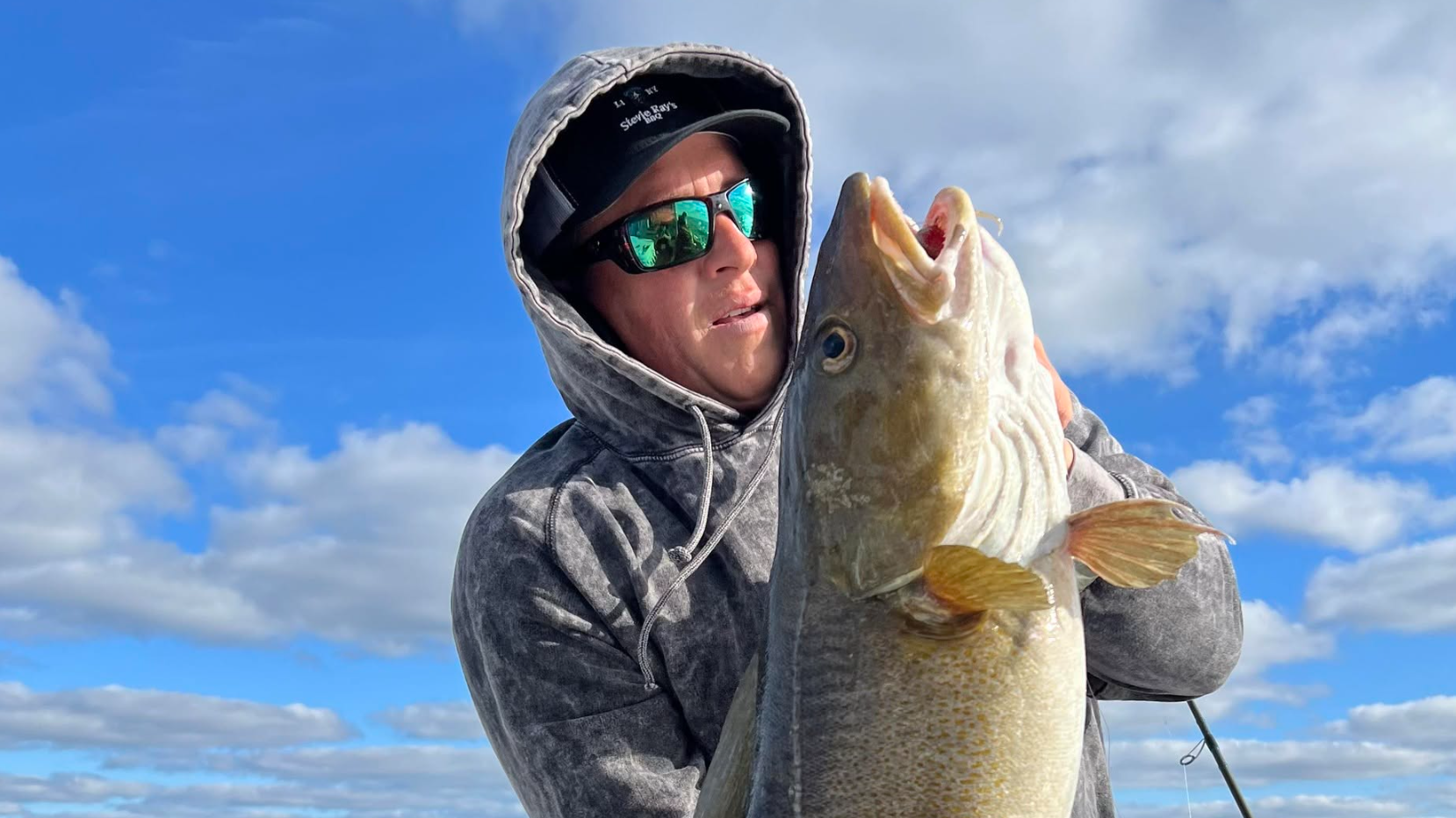
Meet your Captain Christopher Albronda
- Keys To Montauk: Premier Captain & Fishing Lessons


Summary
Join a fishing charter in Montauk, NY on Friday, August 15th to target houndfish and other saltwater species. Captain Christopher Albronda of Keys To Montauk guides anglers through productive waters where houndfish are actively hunted during peak summer conditions.
Fishing Charter with Captain Christopher Albronda - Rates & Booking
Captain Christopher Albronda of Keys To Montauk operates fishing charters on Friday, August 15th targeting houndfish and other saltwater species in the productive waters surrounding Montauk. As an experienced local guide, Captain Albronda brings detailed knowledge of seasonal patterns, prime fishing grounds, and effective techniques for landing quality fish in Atlantic waters.
To book your fishing charter and inquire about specific rates, duration options, and group sizes, contact Keys To Montauk directly. Their charters include professional guidance, access to premium fishing grounds, and the expertise of a licensed captain familiar with local conditions and species behavior.
Highlights of Montauk Fishing Charters
Montauk represents one of the Northeast's premier fishing destinations, offering consistent action on houndfish and numerous other species throughout the season. The waters around Montauk attract diverse saltwater gamefish, with summer months providing excellent opportunities for aggressive strikes and dynamic fishing experiences. Captain Albronda's local expertise translates to efficient fishing days where anglers spend maximum time on productive grounds.
The combination of strong currents, varied bottom structure, and deep offshore access creates ideal conditions for targeting species like houndfish. Whether you're an experienced angler or new to saltwater fishing, the charter experience capitalizes on Montauk's natural advantages and seasonal abundance.
Local Species Insights: Houndfish
Houndfish are remarkable predators found in Atlantic and subtropical waters, characterized by their elongated bodies and pronounced snouts packed with sharp teeth. These fish are pursuit predators that hunt small baitfish with explosive speed, making them exciting targets for anglers. Houndfish typically inhabit coastal waters during warmer months, preferring areas with good water clarity and active baitfish populations.
What makes houndfish particularly interesting to anglers is their aggressive feeding behavior and willingness to strike artificial lures and live bait presentations. They're speed hunters that rely on ambush tactics, often working in schools to corral prey. When hooked, houndfish are known for their spirited fights, acrobatic jumps, and determined runs, providing the kind of action that makes for memorable fishing experiences.
The Montauk area sees good houndfish populations during summer and early fall months when water temperatures and baitfish activity peak. Captain Albronda's understanding of when and where these fish congregate allows him to position anglers effectively. Techniques typically involve live bait presentations or small to medium-sized lures that mimic the natural prey houndfish feed on in these waters.
Understanding houndfish behavior improves success on the water. These fish respond to current flow, baitfish availability, and light conditions throughout the day. They're most active during periods of moderate tide flow and often concentrate near structure and drop-offs where they can intercept moving baitfish. The predatory nature of houndfish means they rarely refuse a properly presented meal, making them consistent targets even for visiting anglers.
Plan Your Montauk Fishing Day
A typical fishing charter with Captain Albronda combines preparation with opportunity. Arriving early allows time to discuss tactics, review the day's forecast, and prepare gear. The captain handles navigation and locating productive grounds, while anglers focus on casting, setting hooks, and managing their catches. Charter experiences are designed to balance action with comfort, allowing anglers to stay focused on fishing throughout the outing.
Montauk's fishing conditions remain relatively consistent during summer, though specific timing on the tide cycle and weather patterns influence where fish concentrate. Captain Albronda adjusts his strategy based on real-time conditions, moving to different grounds if necessary to stay on active fish. This flexibility, combined with his knowledge of seasonal patterns, ensures the best possible chance at connecting with quality houndfish and other species.
Fishing in Montauk: Houndfish
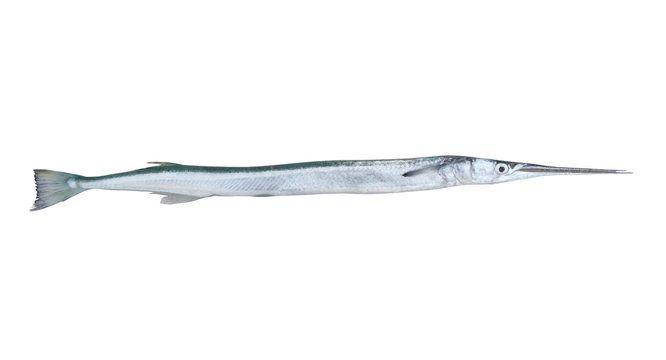
Houndfish Overview
The Houndfish (Tylosurus Crocodilus) is one of the most thrilling and somewhat intimidating gamefish you'll encounter in tropical and subtropical waters. Belonging to the family Belonidae and order Beloniformes, this species earns its nickname "Crocodile Needlefish" thanks to its elongated snout and serpentine body that resembles a miniature crocodile. What makes the Houndfish truly remarkable is not just its appearance, but its extraordinary leaping ability—a trait that has earned it a fearsome reputation among anglers who've experienced its acrobatic displays. Found in lagoons and seaward reefs throughout coastal regions, the Houndfish represents one of the most exciting and challenging fishing experiences available to sport anglers seeking an adrenaline-pumping encounter.
Houndfish Habitat and Distribution
Houndfishes thrive in warm, shallow coastal environments where they can hunt and breed with ease. They're commonly found near jetties, piers, and reefs, particularly during their spawning season from April through May when they congregate in large numbers. These fish prefer to remain near the surface of the water, making them accessible to both shore-based and boat anglers. They're particularly abundant in lagoons and along seaward reefs where small baitfish populations flourish. The species shows no strong preference between day and night hunting, meaning you have flexibility in planning your fishing expedition. Look for them in areas with moderate current and plenty of small baitfish activity, as they're primarily surface feeders that won't venture into deep water.
Houndfish Size and Weight
The Houndfish holds the distinction of being the largest member of the Belonidae family, commanding respect through sheer size alone. These impressive fish typically range from 12 inches to 60 inches in length, with most specimens weighing between 1 and 14 pounds. The average adult Houndfish weighs around 10 pounds, though larger specimens can reach that impressive 14-pound threshold. Their elongated body structure makes them appear even larger than their actual weight suggests, and when they're airborne during their characteristic leaps, they look positively prehistoric. Size variation often depends on habitat quality, food availability, and water conditions—fish in nutrient-rich lagoons tend to grow larger than their reef counterparts.
Houndfish Diet and Behavior
As voracious surface feeders, Houndfishes primarily hunt small fish species, with a particular preference for anchovies and flying fish. Their surface-feeding behavior makes them spectacular hunters, as they'll leap from the water to pursue airborne prey just as their flying fish dinner attempts to escape. The aggressive feeding style combined with their needle-sharp snout and forward-pointing teeth (especially in juveniles) makes them formidable predators in their ecosystem. Houndfishes display fascinating social flexibility—they're equally comfortable hunting solo or traveling in loose schools. However, they're also easily frightened, which explains why they're often found in open water rather than tight to coastlines. The species exhibits particular aggression during their April-to-May breeding season when hormonal changes intensify their feeding behavior and territorial instincts.
Houndfish Spawning and Seasonal Activity
The peak breeding season for Houndfishes occurs from April through May, marking the absolute best time for anglers to find concentrated populations. During this period, fish congregate near jetties, piers, and reefs to lay eggs—a fascinating reproductive strategy that involves females depositing eggs with specialized tendrils that attach securely to seaweed and submerged vegetation. This clustering behavior makes seasonal fishing incredibly productive, as you know exactly where to focus your efforts. Outside the spawning window, Houndfishes disperse throughout lagoons and seaward reefs in search of food, making them more challenging to locate but still catchable throughout the year. Water temperature and spawning cycles drive much of their seasonal movement, with warmer months bringing them into shallower breeding grounds where anglers have easier access.
Houndfish Techniques for Observation and Capture
Light Tackle Strategy: Since Houndfishes are pelagic surface hunters, light tackle is your weapon of choice. Heavy-duty deep-water equipment is unnecessary and will actually hamper your effectiveness. A medium-light spinning rod paired with 10-15 pound test line and a small multiplier reel will serve you perfectly. Use tail hooks as your primary choice, but here's the critical angling secret: Houndfishes have tiny beaks relative to their body size, allowing them to sometimes steal bait without getting snagged. When you detect a strike, deliver a quick, deliberate jerk to drive the hook into their vomer (the bone at the roof of their mouth) or anywhere along their beak. This aggressive hook-setting technique is essential for success.
Bait Selection and Technique: Fresh anchovies are your go-to bait, chosen not just because they're the Houndfish's natural food but because their pungent smell creates an irresistible olfactory trail that brings fish racing to your location. Small baitfish in general work well, but anchovies provide superior scent dispersal and natural appeal. Cast near structure—around jetties, piers, and reef edges where Houndfishes hunt. Allow time for the bait scent to disperse naturally. When a fish strikes, resist the urge to reel immediately. Because these fish are easily agitated and prone to frantic leaping, give it a few seconds to tire itself out before applying steady pressure. This patience-based approach reduces the risk of a violent head-shake that snaps your line or throws the hook.
Timing and Location Around Coastal Areas: The April-to-May spawning season represents your peak opportunity, when fish are concentrated and aggressive. However, don't limit yourself to just those months—Houndfishes remain available year-round. Fish during dawn or dusk when feeding activity peaks, though they'll bite throughout daylight hours. Around popular coastal fishing destinations, focus on lagoon entrances and seaward reef edges where current naturally funnels baitfish toward waiting predators. Night fishing can also be productive, as Houndfishes are attracted to lights—a trait shared with many nocturnal hunters. If you're fishing from a pier or jetty, position yourself where deeper water meets shallower zones, as this creates ideal hunting ground for surface predators.
Houndfish Culinary and Utilization Notes
The Houndfish offers good odds for a quality meal, with flesh that's firm, mild-flavored, and well-suited to various cooking preparations. The meat is white and flaky, similar in character to other gamefish, making it versatile for grilling, baking, or pan-searing. Their size—typically 10 pounds on average—provides a respectable fillet yield without being unwieldy. From a nutritional standpoint, like most lean marine fish, Houndfishes are excellent sources of protein and omega-3 fatty acids. The main consideration is proper handling: their needle-sharp snout and teeth require careful fish-handling practices to avoid injury during cleaning. Most anglers catch Houndfishes primarily for sport rather than subsistence, valuing the challenging fight and acrobatic displays over culinary benefits. If you do keep your catch, ensure you're complying with local regulations and size limits, as conservation practices help maintain healthy populations for future generations.
Houndfish Frequently Asked Questions
Q: What is the best bait for catching Houndfish?
A: Fresh anchovies are undoubtedly the top choice, though small live baitfish like mullet or silversides also work effectively. The key is using fresh bait with strong scent dispersal to attract fish from distance. The pungent smell of anchovies creates an irresistible olfactory signal that brings Houndfishes racing to your location. Dead bait works, but live bait often produces better results due to natural movement and vibration.
Q: Why are Houndfishes so dangerous and how do I stay safe?
A: The danger isn't their bite—it's their tendency to leap violently when hooked. Their size combined with a needle-sharp snout means an airborne Houndfish could cause serious puncture wounds if it impacts an angler. This is why patience matters: let the fish tire itself before reeling aggressively. Maintain distance during the initial fight, and always wear protective clothing like long sleeves and gloves when handling these fish after landing them.
Q: When is the absolute best time to catch Houndfish?
A: April through May during the spawning season provides your best odds, as fish congregate near jetties, piers, and reefs. During this window, you'll find higher concentrations in smaller areas, making location scouting easier and catch rates significantly higher. Outside this period, fish remain catchable but more dispersed, requiring more persistent searching through lagoons and seaward reefs.
Q: What equipment setup do I need for Houndfish?
A: Light to medium-light tackle is sufficient—no heavy-duty deep-sea rigs necessary since these are surface hunters. A medium-light spinning rod, 10-15 pound test line, and small multiplier reel work perfectly. Use tail hooks sized appropriately for your bait (typically size 2-4), and always carry a quick-set jerking motion ready, as their small beaks make hook penetration challenging.
Q: Are Houndfishes good to eat?
A: Yes, they offer good eating quality with firm, mild-flavored white flesh suitable for grilling, baking, or pan-searing. A typical 10-pound Houndfish provides respectable fillet portions. However, most anglers pursue them for sport rather than sustenance, valuing the thrilling fight and aerial acrobatics over the culinary reward. Always check local regulations regarding size and bag limits before keeping your catch.
Q: How do I tell the difference between a juvenile and adult Houndfish?
A: Juvenile Houndfishes have teeth pointing forward, while adult teeth point straight. Size is the most obvious indicator—juveniles remain under 12 inches while mature specimens reach 12-60 inches. Color intensity also develops with age, with older fish displaying more vibrant dark blue coloring on their backs compared to the lighter silver-white found on younger individuals.